
Laptop screen artefacts can be very annoying. You might see strange lines, colors, or flickers on your screen. This problem can make your laptop hard to use. The cause can be a bad graphics card or a software issue. Two common reasons are GPU overheating and driver corruption. Let’s learn how to find out which one it is and how to fix it.

Credit: www.reddit.com
What Are Screen Artefacts?
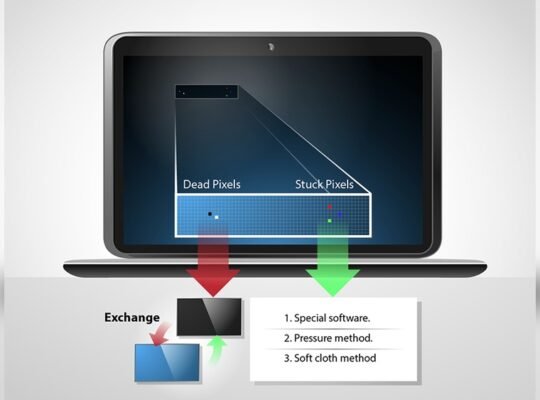
Screen artefacts are visual errors on your laptop display. You may see:
- Colored lines
- Strange shapes
- Flickering or flashing
- Screen glitches or blocks
These artefacts happen when the laptop’s graphics card or its software has problems. It is important to fix them quickly. If not, your laptop screen might get worse or stop working.
Understanding GPU Overheating
The GPU is the graphics processing unit. It shows images on your screen. When the GPU gets too hot, it may stop working well. This can cause artefacts.
Why does the GPU overheat? Some reasons are:
- Dust blocking the fan
- Bad cooling system
- Old thermal paste
- Heavy use without breaks
When the GPU is hot, it may show strange colors or lines. It may also freeze or crash.
What Is Driver Corruption?
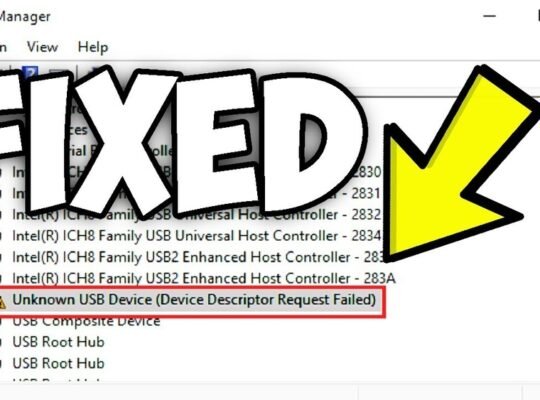
Drivers are software that tell your laptop how to use hardware parts. The GPU driver controls the graphics card. If the driver is broken or old, it may cause artefacts.
Driver corruption can happen because of:
- Bad software updates
- Conflicts with other programs
- Viruses or malware
- Incomplete driver installation
If the driver is corrupt, your laptop may show errors only in some programs or games. Sometimes, the screen artefacts happen only in one app.
How to Check If GPU Is Overheating
You can check the GPU temperature with simple tools. Here is how:
- Download a free program like HWMonitor or MSI Afterburner.
- Open the program and look for GPU temperature.
- Normal temperature is usually under 85°C.
- If it is higher, your GPU is overheating.
Also, listen to your laptop fan. Is it loud or not working? If the fan is off or dusty, the GPU may get hot.

Credit: appuals.com
How to Fix GPU Overheating
Try these steps to cool your GPU and stop artefacts:
- Clean the fan: Use a small brush or compressed air to remove dust.
- Use a cooling pad: Put your laptop on a cooler with fans.
- Apply thermal paste: This helps heat move away from the GPU. Ask a technician if you are not sure.
- Keep laptop on a flat surface: Avoid using it on soft beds or pillows.
- Take breaks: Don’t use heavy programs for too long without rest.
If overheating continues, you may need to see a repair shop. The GPU or fan might need replacement.
How to Find Out If Driver Corruption Is the Problem
If artefacts happen only in some games or apps, driver corruption is likely. To confirm:
- Check if the problem stops when you close a program.
- Try running another game or video.
- See if updating or reinstalling the driver helps.
How to Fix Driver Corruption
Follow these easy steps to fix drivers:
- Update drivers: Go to your laptop or GPU maker’s website.
- Download the latest GPU driver for your model.
- Install the new driver and restart your laptop.
- If updating doesn’t help, uninstall the driver first.
- Then reinstall the latest driver fresh.
Sometimes, using Windows Update can fix driver issues too. Make sure your Windows is up to date.
Tips to Avoid Screen Artefacts in the Future
Follow these simple tips to keep your laptop screen clear:
- Keep your laptop clean and dust-free.
- Use cooling pads when gaming or working hard.
- Update your drivers regularly.
- Close apps that use too much graphics power.
- Don’t block air vents on your laptop.
Summary Table: Overheating Vs. Driver Problems
| Problem | Cause | Symptoms | Fix |
|---|---|---|---|
| GPU Overheating | Dusty fan, bad cooling, long use | Screen flickers, colors change, laptop hot | Clean fan, use cooling pad, apply thermal paste |
| Driver Corruption | Old or broken driver software | Artefacts in some apps, crashes | Update or reinstall driver, update Windows |
When to See a Technician
If you try all fixes and artefacts stay, get help. A technician can check the GPU deeply. Sometimes, parts need repair or replacement.
Do not open your laptop if you don’t know how. You can break parts or lose warranty.
Frequently Asked Questions
Can You Repair An Artifacting Gpu?
Artifacting GPUs usually suffer hardware damage like VRAM failure or solder joint issues. These problems rarely have permanent fixes. Cleaning fans, updating drivers, or improving cooling may temporarily reduce artifacts but won’t fully repair a damaged GPU. Replacement is often the best solution.
Can Gpu Artifacting Be Caused By Drivers?
Yes, GPU artifacting can result from outdated or corrupted drivers. Updating or reinstalling drivers often resolves such issues.
Can Overheating Gpu Cause Artifacts?
Yes, an overheating GPU can cause artifacts like flickering lines or distorted images. Excess heat damages GPU components. Proper cooling helps prevent artifacting and extends GPU life.
How To Stop Gpu From Overheating On Laptop?
Clean laptop fans regularly and apply fresh thermal paste to the GPU. Use a cooling pad and place the laptop on a hard, flat surface. Ensure proper ventilation and update GPU drivers to prevent overheating and improve performance.
Conclusion
Screen artefacts are a sign of problems with your laptop’s graphics. They happen because of GPU overheating or driver problems. You can fix overheating by cleaning and cooling your laptop. Driver corruption needs updating or reinstalling software.
Keep your laptop cool and updated. This helps avoid artefacts. If problems continue, ask a professional to help. Your laptop screen will look clear again soon!