
Have you ever watched a video on your laptop and noticed the sound is not matching the picture? The words come late or early. This is called audio sync issue. It makes watching videos or meetings very hard.
In this article, we will explain why this happens. Also, we will show you easy ways to fix it. You do not need to be a tech expert. Just follow the simple steps.
What Is Audio Sync Issue?
Audio sync issue means the sound and video do not play at the same time. For example, you see a person’s lips moving but the sound comes a little late. Or the sound comes before the video.
This problem can happen on any laptop. It can happen when you watch videos on websites or when you use apps like Zoom or YouTube.
Why Does Audio Sync Issue Happen?
There are many reasons for audio delay. Two main causes are browser latency and system latency. Let’s talk about each.
1. Browser Latency
Your web browser (like Chrome, Firefox, or Edge) plays videos and sounds. Sometimes, the browser takes extra time to load or process the video and sound. This delay is called browser latency.
Browser latency happens because browsers use many tools and settings to play videos. For example, hardware acceleration or extensions can slow things down.
2. System Latency
System latency means the delay inside your laptop’s hardware and software. Your laptop has a processor, sound card, and drivers. Each part takes time to process sound and video.
This delay can build up and cause the audio to not match the video. If your laptop is slow or has old drivers, system latency can be higher.
How to Check If Your Audio Is Out of Sync
Before fixing, you should check if audio sync issue is really happening. Here are some easy ways:
- Play a video with clear talking. Watch the lips and listen to the words.
- Try different videos or websites to see if the problem stays.
- Use another browser or video app to test.
- Check if the problem happens only with headphones or speakers.
If you see sound and video do not match, keep reading to fix it.
How to Fix Audio Sync Issues Caused by Browser Latency
Many times, the browser causes the delay. Here are simple steps to fix it:
1. Restart Your Browser
Sometimes the browser has small bugs or overload. Close all browser windows. Then open it again. This can clear small problems.
2. Disable Hardware Acceleration
Hardware acceleration helps the browser use your laptop’s hardware to play videos. But it can cause delay on some laptops.
To turn it off in Chrome:
- Click the three dots at the top right corner.
- Go to Settings.
- Scroll down and click Advanced.
- Find Use hardware acceleration when available.
- Turn it off.
- Restart the browser.
3. Clear Browser Cache
Old files saved by the browser can slow it down. Clear cache to help it work better.
To clear cache:
- Open browser settings.
- Find Privacy and Security.
- Click Clear browsing data.
- Select Cached images and files.
- Click Clear data.
4. Disable Browser Extensions
Some extensions may cause video or audio delay. Try turning them off one by one to find the problem.
To disable extensions in Chrome:
- Click the three dots, then More Tools.
- Click Extensions.
- Turn off each extension.
- Check if audio sync improves.
5. Update Your Browser
Old browser versions may have bugs. Updating can fix many problems.
To update Chrome:
- Click the three dots.
- Go to Help > About Google Chrome.
- Chrome will check for updates automatically.
- Restart the browser if updated.
Credit: www.bluecataudio.com
How to Fix Audio Sync Issues Caused by System Latency
If browser fixes do not help, the problem may be inside your laptop system.
1. Restart Your Laptop
A fresh start can clear many small problems. Close all apps and restart your laptop.
2. Check Audio And Video Drivers
Drivers help your laptop talk to hardware. Old or broken drivers cause delays.
To update drivers on Windows:
- Right-click the Start button.
- Click Device Manager.
- Find Sound, video and game controllers.
- Right-click your audio device and select Update driver.
- Choose Search automatically for updated driver software.
3. Adjust Buffer Size And Sample Rate
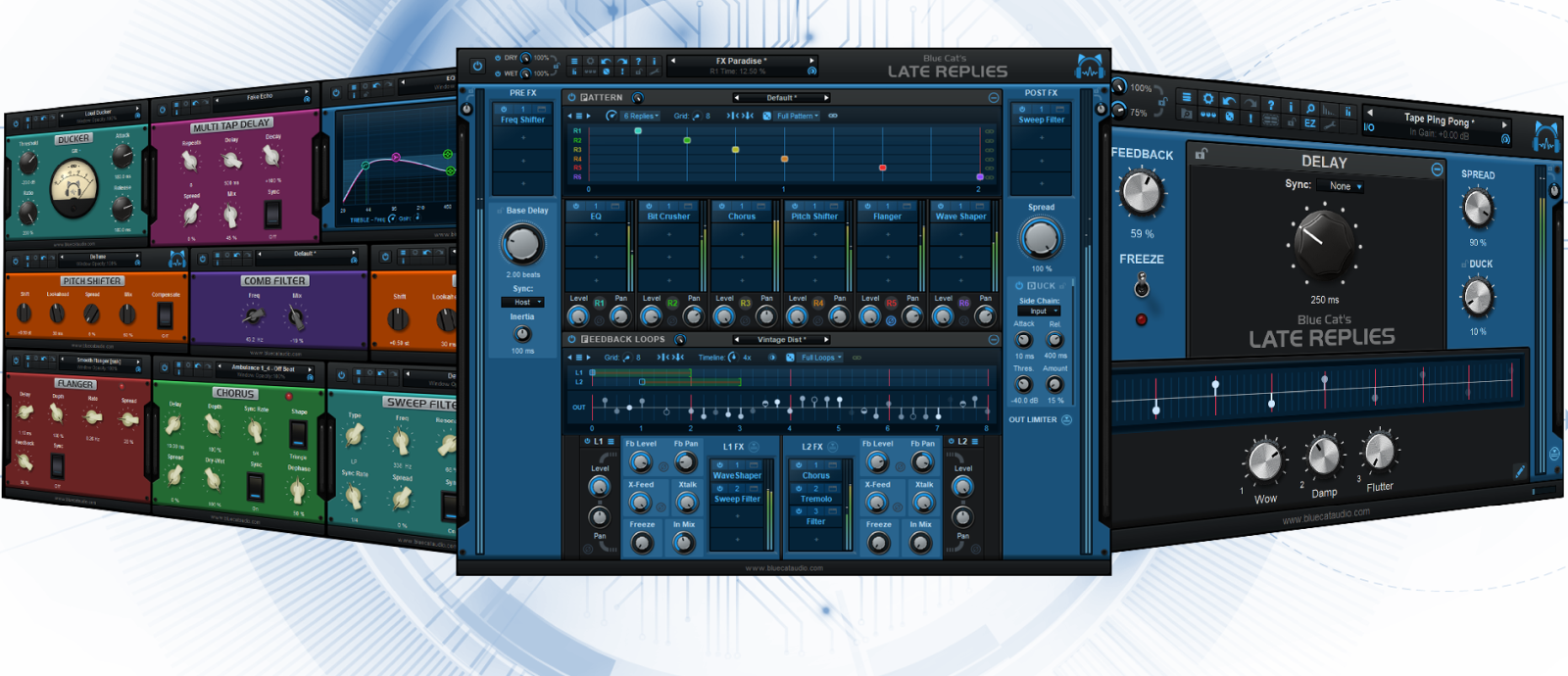
Buffer size controls how much audio data is processed at once. A big buffer causes delay. A small buffer can cause clicks or pops.
To adjust buffer size and sample rate:
- Open your audio settings or audio driver control panel.
- Find buffer size or latency settings.
- Try lowering the buffer size.
- Set sample rate to 44100 Hz or 48000 Hz.
4. Disable Fast Startup
Fast startup can cause some hardware to not work well after boot. This may cause audio delay.
To disable Fast Startup:
- Open Control Panel.
- Go to Power Options.
- Click Choose what the power buttons do.
- Click Change settings that are currently unavailable.
- Uncheck Turn on fast startup.
- Save changes and restart.
5. Use Direct Monitoring (if Available)
Direct monitoring sends audio input to output without delay. Some external audio devices have this feature. Use it if you record sound.
Extra Tips to Keep Audio and Video in Sync
- Use a wired internet connection for online videos or meetings.
- Close other programs when watching videos or calls.
- Lower video quality if internet speed is slow.
- Use updated video players or apps.
- Try different headphones or speakers.

Credit: www.youtube.com
Summary: Browser Vs. System Latency
| Cause | What It Means | How to Fix |
|---|---|---|
| Browser Latency | Delay caused by browser processing video and sound. | Restart browser, disable hardware acceleration, clear cache, disable extensions, update browser. |
| System Latency | Delay inside laptop hardware and software. | Restart laptop, update drivers, adjust buffer size, disable fast startup, use direct monitoring. |
Audio sync issues are common but fixable. Start with browser fixes. Then try system fixes. Take your time and follow steps one by one.
With these easy tips, your videos will play with sound and picture matching well. No more annoying delays.
Frequently Asked Questions
How To Fix Out Of Sync Audio On Laptop?
Update audio and video drivers. Disable hardware acceleration in your browser or player. Restart your laptop and apps. Check external devices for issues. Adjust audio buffer size for lower latency.
How To Fix Audio Latency On Pc?
Update audio drivers and optimize PC performance. Adjust buffer size and sample rate in audio settings. Disable hardware acceleration in browsers or apps. Use direct monitoring if available. Restart your computer to apply changes and reduce audio latency effectively.
What Is A Potential Cause Of Audio Latency Issues On A Laptop?
Audio latency on a laptop often occurs due to slow audio drivers or outdated hardware processing the signal.
What Is The Audio Latency Test For Browser?
The audio latency test for browser measures the delay between audio input and output during playback. It helps identify sync issues and improve performance. This test checks browser audio processing speed and detects delays affecting user experience.