

When it comes to choosing your next laptop, the display is one of the most important features that can make or break your experience. You want a screen that’s bright, vibrant, and easy on your eyes, whether you’re working in a sunny café or a dimly lit room.
That’s where the battle between Tandem OLED and Micro-LED screens heats up. By 2026, these cutting-edge display technologies promise to redefine how you see and interact with your laptop. Which one will give you sharper colors, better brightness, and longer-lasting performance?
Keep reading to discover how Tandem OLED and Micro-LED compare—and which display could be the perfect fit for your next laptop. Your eyes—and your work—deserve nothing less.
Tandem Oled Technology
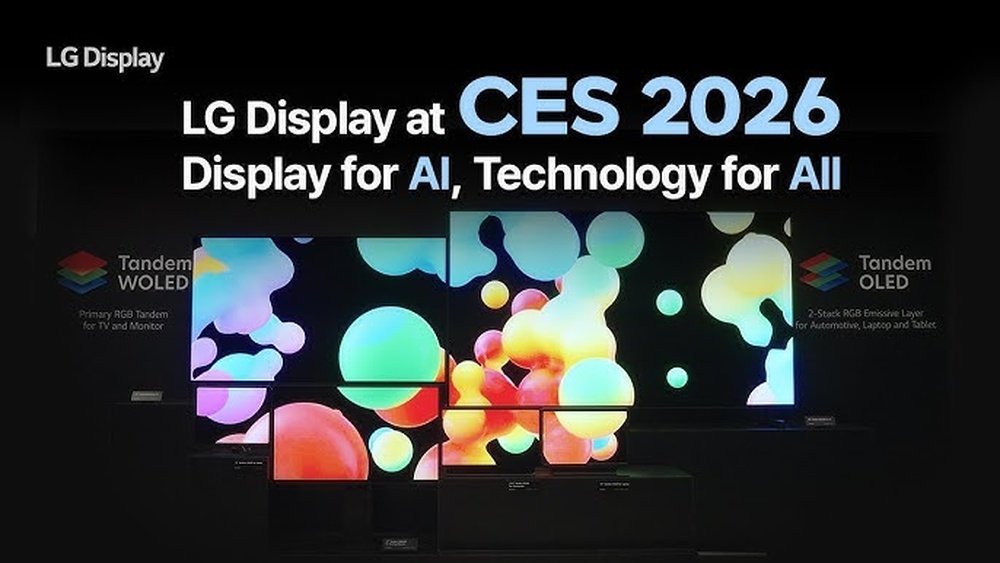
Tandem OLED technology marks a major step forward in laptop display design. It uses two light-emitting layers stacked together. This design overcomes limits seen in traditional OLED screens. The result is brighter displays that last longer and use power more efficiently. Tandem OLED offers better visuals for everyday use, especially in well-lit environments.
The technology also improves color accuracy and sharpness. This makes text easier to read and images more vivid. Tandem OLED is becoming a strong choice for future laptops. It combines the best traits of OLED with new innovations to enhance screen performance and durability.
Layer Stacking Benefits
Tandem OLED stacks two light-emitting layers. This reduces the load on each layer. Lower stress means less chance of screen burn-in. It also slows down brightness loss over time. The stack design allows for higher brightness levels. This makes screens easier to see in bright rooms. Overall, layer stacking improves display life and quality.
Brightness And Longevity
The extra layer doubles light output without extra power. This creates brighter images with deep blacks. Increased brightness helps visibility in daylight. Burn-in risk drops because each layer works less hard. Tandem OLED screens keep their brightness longer. This extends the usable life of the laptop display.
Power Efficiency Gains
Stacking layers allows the screen to run at lower current. This reduces energy use at the same brightness. Lower power draw means longer battery life for laptops. Tandem OLED delivers vivid images without draining the battery fast. It balances performance and power saving well.
Color And Text Clarity
New RGB Tandem OLED panels use vertical RGB stripes. This removes the need for a white subpixel. The result is sharper text and less color fringing. Colors appear more natural and vibrant. This improves reading comfort and image quality. Colors stay true even in mixed lighting conditions.
Credit: www.windowscentral.com
Micro-led Technology
Micro-LED technology is gaining attention as a strong competitor in laptop displays. It uses tiny, self-emissive LEDs to create images. Each pixel lights up independently, which improves picture quality. This tech promises better brightness, contrast, and energy efficiency than many current options. It may shape the future of laptop screens by offering a new viewing experience.
Brightness Advantages
Micro-LEDs can reach very high brightness levels. This makes them perfect for use in bright rooms. The light output is more intense and clear than many other displays. Colors stay vivid, even under strong lighting. This brightness advantage helps improve outdoor and daylight visibility on laptops.
Black Levels And Contrast
Each Micro-LED pixel can turn completely off. This ability creates true black colors on the screen. The contrast between dark and bright areas looks sharp and rich. Deep blacks improve the overall image quality and viewing comfort. This feature rivals the best displays available today.
Durability And Lifespan
Micro-LEDs are made from inorganic materials. These materials resist burn-in and degradation over time. This means the display stays bright and clear longer. It can handle heavy use without image retention problems. The lifespan of Micro-LED screens is expected to be much longer than OLEDs.
Energy Consumption
Micro-LEDs use less power than traditional LED displays. They only light pixels needed for the image. This selective lighting saves battery life on laptops. Lower energy use also reduces heat production. This efficiency helps laptops run cooler and last longer on a single charge.
Performance Comparison
Comparing the performance of Tandem OLED and Micro-LED reveals important differences for future laptop displays. Each technology offers unique strengths in brightness, color, durability, and power use. Understanding these factors helps choose the right display for various needs and environments.
Brightness In Various Lighting
Micro-LED displays achieve higher peak brightness than Tandem OLEDs. They perform well in bright rooms and direct sunlight. Tandem OLEDs improve brightness over standard OLEDs by stacking light-emitting layers. This makes them brighter indoors but still slightly dimmer than Micro-LEDs outdoors. Both provide clear images, but Micro-LED has an edge in very bright conditions.
Color Accuracy And Volume
Tandem OLED screens offer excellent color accuracy with deep, natural tones. The stacked layers boost color volume, making colors vivid even at high brightness. Micro-LEDs also deliver rich colors but may not match the same level of accuracy and saturation. Tandem OLED’s ability to produce true blacks enhances color contrast, improving overall image quality.
Burn-in Risks
Burn-in is a common issue with OLED technology. Tandem OLED reduces this risk by distributing workload across multiple layers. This extends the panel’s lifespan and lessens permanent image retention. Micro-LED displays have almost no burn-in risk due to their inorganic materials. For long-term durability, Micro-LED currently leads, but Tandem OLED shows great improvements.
Power Efficiency
Tandem OLEDs use less power than traditional OLEDs because of their stacked design. They achieve high brightness at lower energy levels. Micro-LEDs are efficient but typically require more power at peak brightness. In mixed lighting, Tandem OLEDs often outperform Micro-LEDs in energy use, making them better for battery life in laptops.

Credit: www.reddit.com
Use Cases For Laptop Displays
Laptop displays serve different needs depending on the environment and tasks. Choosing between Tandem OLED and Micro-LED depends on how you use your laptop. Both display technologies offer unique strengths. Understanding these strengths helps pick the right screen for your daily activities.
Bright Room Environments
Micro-LED screens shine in bright rooms. They offer high brightness levels that keep images clear under strong light. Tandem OLED also improves brightness over standard OLEDs but still faces challenges in direct sunlight. Micro-LED displays reduce glare and maintain vivid colors. This makes them ideal for outdoor work or well-lit offices.
Dark Room Viewing
Tandem OLED excels in dark rooms. It can turn off pixels completely, creating true black levels. This leads to sharp contrast and deep shadows. Micro-LED cannot match the perfect blacks of OLED. For watching movies or editing photos in low light, Tandem OLED offers a better experience. It reduces eye strain and shows details clearly.
Gaming And Multimedia
Both display types support gaming well but with different benefits. Tandem OLED provides richer colors and deeper blacks, enhancing game graphics. Micro-LED offers higher brightness and less risk of image burn-in during long gaming sessions. Response times are fast on both, reducing motion blur. Gamers who play in varied lighting may prefer Micro-LED, while those who value color depth might choose Tandem OLED.
Professional Workflows
Professionals need accurate colors and sharp text. Tandem OLED’s improved color volume and clarity suit designers and video editors. Its ability to show fine details benefits reading and coding. Micro-LED’s brightness and longevity appeal to users who work long hours in bright spaces. Both displays support productivity, but Tandem OLED edges ahead for color-sensitive tasks.
Future Trends And Innovations
The display technology in laptops is evolving rapidly. Tandem OLED and Micro-LED represent the next wave of innovation. Both aim to improve brightness, color, and energy efficiency. The future will likely see new hybrids, overcoming current limits. These advancements will shape how laptops look and perform in 2026 and beyond.
Hybrid Display Technologies
Combining Tandem OLED and Micro-LED could create hybrid displays. Such tech blends OLED’s deep blacks with Micro-LED’s brightness. Hybrid displays promise better color accuracy and power savings. Researchers work on stacking layers and pixel designs. These hybrids may offer the best features of both worlds.
Manufacturing Challenges
Producing Micro-LED is complex and costly. Tiny LEDs must be precisely placed on panels. Tandem OLED requires careful layer stacking to avoid defects. Scaling up production is a major hurdle for both. Improving yields and reducing costs are key industry goals. Advances in automation and materials could help overcome these challenges.
Market Adoption Forecast
Experts expect gradual adoption of these technologies. Early models will appear in premium laptops by 2024-2025. Wider market entry may happen closer to 2026. Price drops and improved manufacturing will boost adoption. Consumers will benefit from better displays in mid-range laptops soon after. Software and hardware must also adapt to new screens.
Potential Impact On Laptop Design
Future laptops will become thinner and lighter. Reduced power use extends battery life significantly. Higher brightness enables outdoor use without glare. Flexible displays may allow new form factors like foldables. Enhanced text clarity improves reading and productivity. Overall, display innovation will redefine laptop aesthetics and user experience.

Credit: www.reddit.com
How The Laptop Scout Can Help You with Tandem Oled Vs Micro-Led: The Future of Laptop Displays 2026
Practical Learning with Tandem OLED and Micro-LED Technologies
As I’ve explored the performance differences between Tandem OLED and Micro-LED laptop displays, it’s clear that understanding these technologies can help you make smarter choices based on your real-world needs. For instance, Tandem OLED’s enhanced brightness and longevity might appeal to content creators who prioritize color accuracy and deep contrast, while Micro-LED’s superior brightness in well-lit environments could benefit hybrid workers often using their laptops outdoors or in bright spaces.
At The Laptop Scout, my goal is to cut through the hype and help you weigh these trade-offs transparently. Digging into future trends and innovations isn’t just about tech specs—it’s about what fits your lifestyle and budget sustainably. If you want to dive deeper or have specific questions about how these display types perform day-to-day, feel free to reach out. I’m here to help you navigate the evolving laptop landscape with clear, honest insights.
Contact: info@thelaptopscout.com
Frequently Asked Questions
Will Microled Be Better Than Oled?
MicroLED offers higher brightness and durability, ideal for bright rooms. OLED provides deeper blacks and superior contrast. Each suits different viewing needs.
Is Tandem Oled Better Than Oled?
Tandem OLED stacks two light-emitting layers, offering higher brightness, longer lifespan, and better power efficiency than standard OLED. It reduces burn-in risk and enhances color and text clarity, making it ideal for bright rooms and mixed lighting conditions.
Is Mini Led Better Than Oled For Laptops?
Mini LED offers higher brightness and better visibility in bright rooms, while OLED delivers superior contrast and deeper blacks. Choose Mini LED for vivid daylight use and OLED for rich colors and perfect blacks in darker environments. Each suits different laptop display needs.
Are Oled Monitors The Future?
OLED monitors offer deep blacks, vibrant colors, and excellent contrast, making them strong contenders for future display technology. Tandem OLED improves brightness and lifespan, addressing traditional OLED limits. While MicroLED suits bright environments, OLED’s superior contrast and evolving tech hint at a promising future in monitors.
Conclusion
Tandem OLED and Micro-LED each bring unique strengths to laptops. Tandem OLED offers brighter displays with better power use and less burn-in risk. Micro-LED shines brightest in well-lit spaces and lasts long without color fading. Choosing between them depends on your priorities like brightness, color, and durability.
Both technologies will shape laptop screens by 2026. Expect clearer images, richer colors, and longer-lasting displays soon. The future of laptop displays looks bright and full of innovation. Which one fits your needs best?