
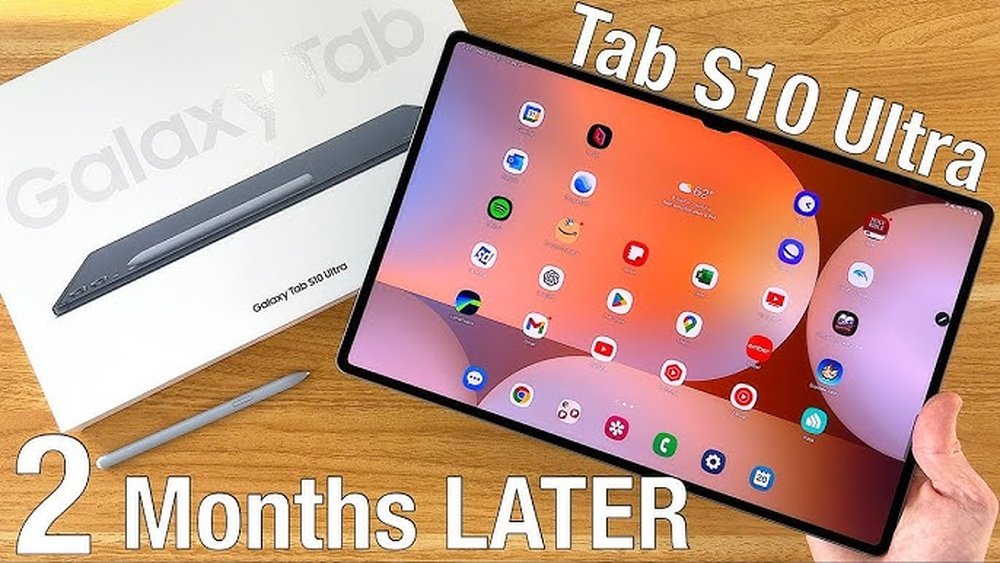
Choosing the perfect 2-in-1 device can make a huge difference in your student life. If you’re torn between the Surface Pro 11 and the Samsung Galaxy Tab S10 Ultra, you’re not alone.
Both promise powerful performance, sleek design, and versatile use—but which one truly fits your study needs and budget in the UK? You’ll discover clear, side-by-side comparisons that highlight what matters most: speed, portability, battery life, and how each device handles your everyday tasks.
Keep reading to find out which of these two tech giants deserves a spot in your backpack this semester. Your ideal study companion is just a few scrolls away!
Design And Build
The design and build quality of a device matter a lot for students. These aspects affect comfort, usability, and how long the device lasts. Both the Surface Pro 11 and Samsung Galaxy Tab S10 Ultra bring strong design features. They suit student needs but differ in some key ways.
Size And Weight Comparison
The Surface Pro 11 is compact and light. It weighs about 891 grams without the keyboard. The Galaxy Tab S10 Ultra is larger and heavier. It weighs around 650 grams but has a bigger screen. The Surface’s smaller size fits better in backpacks. The Samsung’s size helps with viewing and drawing.
Materials And Durability
Surface Pro 11 uses a magnesium alloy body. This makes it sturdy and sleek. The Galaxy Tab S10 Ultra has an aluminum frame. It feels solid but is more prone to fingerprints. Both devices have good build quality. They can handle daily use and occasional bumps. The Surface has a slight edge in ruggedness.
Portability For Students
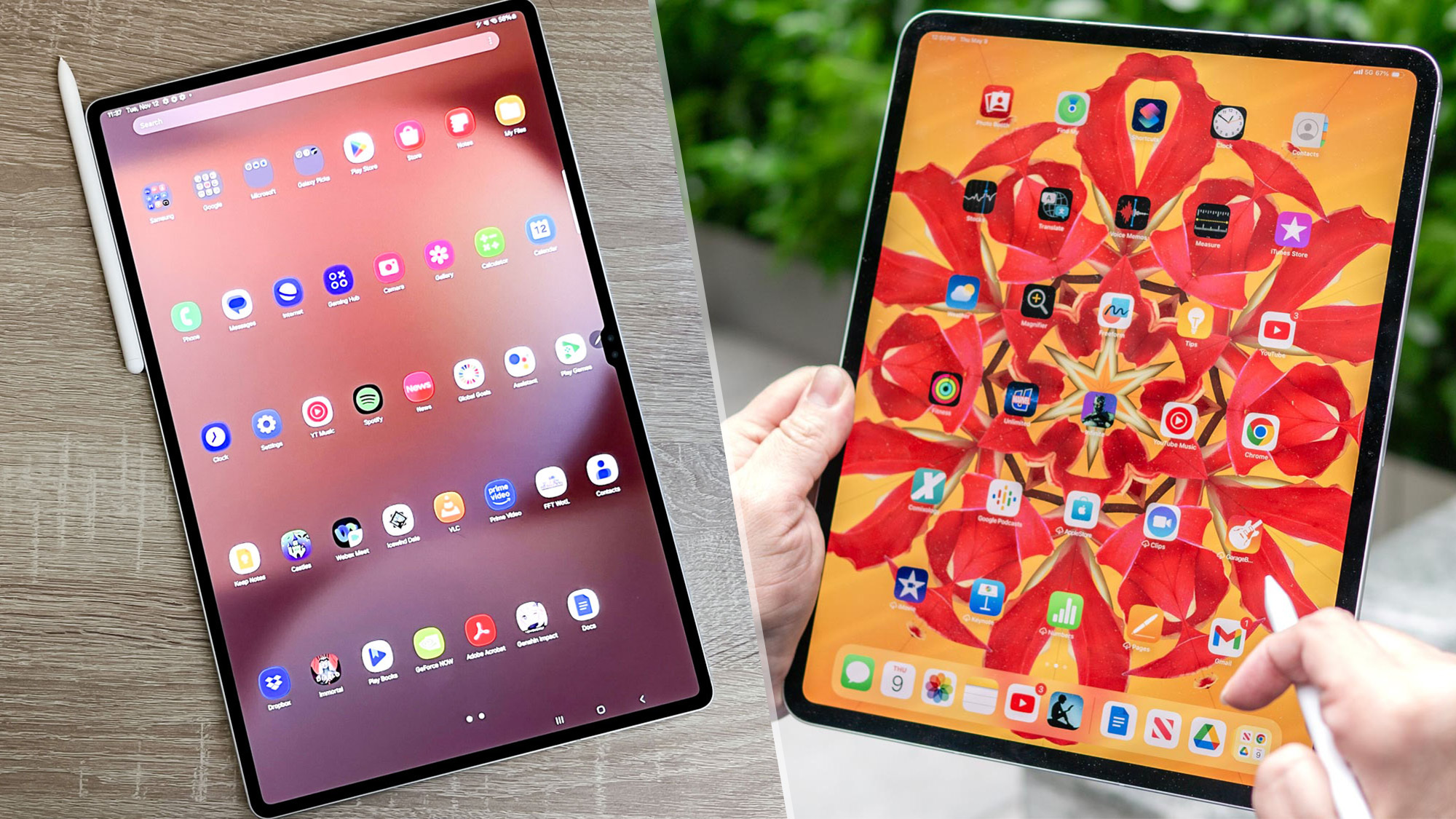
Surface Pro 11 is easy to carry and fits in small spaces. Its slim profile suits busy students on the go. The Galaxy Tab S10 Ultra, though bigger, is still portable. It offers more screen space for multitasking. Students who need light travel gear may prefer the Surface. Those who want a large display might lean toward Samsung.
Credit: www.tomsguide.com
Display Quality
The display quality plays a key role in choosing the best 2-in-1 device for UK students. A clear and vibrant screen helps with reading, writing, and watching lectures. Both the Surface Pro 11 and Samsung Galaxy Tab S10 Ultra offer strong display features. Let’s explore their screen size, resolution, color accuracy, brightness, and touch support.
Screen Size And Resolution
The Surface Pro 11 comes with a 13-inch PixelSense Flow display. It has a resolution of 2880 x 1920 pixels. This means sharp and detailed visuals.
The Samsung Galaxy Tab S10 Ultra offers a larger 14.6-inch Super AMOLED screen. It features a resolution of 2960 x 1848 pixels. The screen is slightly bigger and has deeper blacks.
Both screens have high pixel density. This results in crisp text and clear images. Students can enjoy enough space for multitasking and note-taking.
Color Accuracy And Brightness
The Surface Pro 11 provides good color accuracy with a wide color gamut. It supports Dolby Vision for enhanced dynamic range. Brightness reaches up to 450 nits, enough for indoor study.
The Galaxy Tab S10 Ultra shines with vibrant colors and deep contrasts. Its AMOLED panel delivers rich, punchy colors. It can reach brightness levels near 500 nits, which helps in bright rooms.
Both devices handle color well. The Samsung’s AMOLED offers more vivid visuals, while Surface’s display leans towards natural tones.
Touch And Pen Support
Surface Pro 11 supports the Surface Slim Pen 2. It offers low latency and haptic feedback. Writing and drawing feel natural and precise.
Samsung Galaxy Tab S10 Ultra uses the S Pen. It also has low latency and good pressure sensitivity. It magnetically attaches to the tablet for easy storage.
Both pens work well for taking notes and sketching. Students get smooth and responsive input on each device’s screen.
Performance And Hardware
The performance and hardware of the Surface Pro 11 and Samsung Galaxy Tab S10 Ultra are key factors for students in the UK. Both devices blend tablet portability with laptop power. Understanding their specs helps choose the right one for study and multitasking.
Processor And Ram Options
The Surface Pro 11 runs on Intel’s 12th Gen processors. These chips handle apps and multitasking smoothly. It offers RAM options of 8GB or 16GB. This supports multiple tabs and software without lag.
The Galaxy Tab S10 Ultra uses a Snapdragon 8 Gen 1 processor. It is powerful for a tablet and good for creative apps. RAM ranges from 8GB to 12GB, which helps in heavy multitasking and gaming.
Storage Capacity And Expansion
The Surface Pro 11 comes with storage starting at 128GB up to 512GB SSD. This fast storage loads files and apps quickly. It does not have a slot for microSD cards, so storage is fixed.
The Galaxy Tab S10 Ultra offers 256GB or 512GB of built-in storage. It supports microSD cards up to 1TB. This allows students to add more space for documents, photos, and videos.
Battery Life In Real Use
The Surface Pro 11 can last up to 10 hours during mixed use. This covers note-taking, web browsing, and video calls. Battery life may drop with heavy apps or screen brightness up.
The Galaxy Tab S10 Ultra offers around 12 hours on a full charge. It supports long sessions of streaming and studying. Fast charging helps to quickly boost battery when needed.
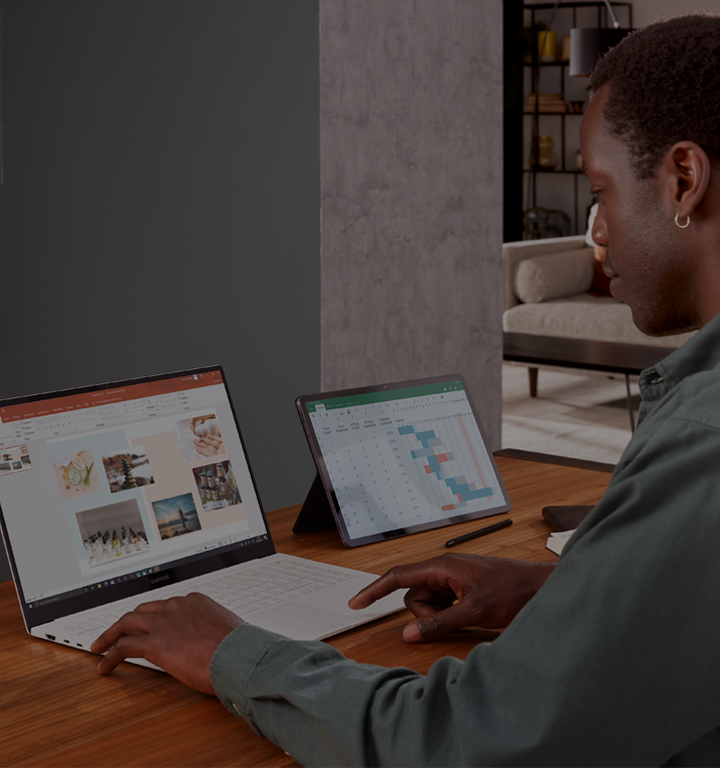
Credit: www.samsung.com
Operating System And Software
The choice of operating system and software plays a key role in selecting the best 2-in-1 device for UK students. Both the Surface Pro 11 and the Samsung Galaxy Tab S10 Ultra offer distinct experiences. Each caters to different needs and preferences in education. Understanding these differences helps students pick the right device for study and productivity.
Windows Vs Android Experience
The Surface Pro 11 runs on Windows 11. It feels like a full laptop in a tablet body. This means students get access to familiar desktop apps and tools. The interface supports touch, pen input, and keyboard use. The Samsung Galaxy Tab S10 Ultra uses Android OS. Android is designed mainly for touch and apps from the Google Play Store. It offers a smooth and intuitive experience for casual use and media consumption.
App Availability For Students
Windows on the Surface Pro 11 supports a wide range of software. This includes Microsoft Office, Adobe apps, and specialized study tools. Many universities recommend Windows apps for coursework. Android on the Galaxy Tab S10 Ultra offers many educational apps too. Most are lighter versions of desktop software. Some advanced programs might not be available or fully functional on Android.
Multitasking And Productivity
The Surface Pro 11 allows true multitasking with multiple windows open. Students can run full desktop programs side by side. It supports powerful productivity setups like split screen and virtual desktops. The Galaxy Tab S10 Ultra supports split screen and pop-up views. It works well for casual multitasking but may struggle with heavier apps. Overall, Surface Pro 11 suits students needing intensive work and multitasking.
Accessories And Extras
Accessories and extras play a vital role in enhancing the usability of 2-in-1 devices for UK students. These add-ons can boost productivity, comfort, and convenience. Both the Surface Pro 11 and Samsung Galaxy Tab S10 Ultra offer a range of accessories designed to meet student needs. Understanding their keyboard, stylus, connectivity, and extra features helps in choosing the best device.
Keyboard And Stylus Options
The Surface Pro 11 comes with a detachable Type Cover keyboard. It feels like a laptop keyboard, making typing easier for essays and notes. The Surface Slim Pen 2 offers precise writing and drawing with low latency. It magnetically attaches to the device for charging and storage.
The Galaxy Tab S10 Ultra pairs with the Book Cover Keyboard. It provides good key travel and a built-in touchpad. Samsung’s S Pen is included and does not need charging. It supports pressure sensitivity and air gestures, ideal for creative work and note-taking.
Connectivity Ports
The Surface Pro 11 features two USB-C ports and a Surface Connect port. It supports fast charging and external displays. A headphone jack is also present for audio needs. The device supports Wi-Fi 6 and optional 5G for better internet access.
The Galaxy Tab S10 Ultra offers two USB-C ports but lacks a dedicated charging port. It supports fast charging and USB 3.2 for quick data transfer. The tablet includes a headphone jack and supports Wi-Fi 6E and optional 5G connectivity.
Additional Features
The Surface Pro 11 includes Windows Hello facial recognition for secure login. It supports Windows 11 apps, making it a full PC experience. The device has a kickstand with adjustable angles, helping with comfortable viewing and typing.
The Galaxy Tab S10 Ultra has an AMOLED display with a 120Hz refresh rate for smooth visuals. It supports Samsung DeX mode, which allows a desktop-like experience. The tablet also has quad speakers tuned by AKG for rich sound quality.

Credit: www.youtube.com
Price And Value
Choosing the right 2-in-1 device is important for UK students on a budget. Price and value play a big role in this decision. Both the Surface Pro 11 and Samsung Galaxy Tab S10 Ultra offer strong features. But understanding their costs and benefits helps pick the best fit. Let’s compare their prices, discounts, and long-term worth.
Cost Comparison In Uk Market
The Surface Pro 11 starts at a higher price than the Galaxy Tab S10 Ultra. It usually costs around £900 for the base model. The Samsung Tab S10 Ultra is slightly cheaper, with prices near £850. Both prices vary depending on storage and accessories. The Surface Pro offers a full Windows experience, while the Samsung runs on Android. This difference affects their prices and use cases.
Student Discounts And Offers
Microsoft offers student discounts directly on its website. Students can save up to 10% on Surface devices. Samsung also provides deals for students, though less often. Some UK retailers bundle accessories or offer seasonal discounts. Students should check official stores and trusted sellers for the best deals. These discounts can reduce the overall cost significantly.
Long-term Investment
The Surface Pro 11 may cost more upfront but offers strong performance for years. Its Windows OS supports many software programs needed for studies. The Samsung Tab S10 Ultra is great for media and light work but may lack some desktop software. Both devices hold their value well in the UK market. Choosing one depends on the student’s course needs and budget. Investing in reliable technology helps avoid extra costs later.
User Reviews And Feedback
User reviews and feedback offer valuable insights about the Surface Pro 11 and Samsung Galaxy Tab S10 Ultra. UK students share their real experiences. Their opinions help others make smart choices for study needs.
Many students focus on ease of use, performance, and portability. Both devices receive praise and some criticism. Let’s explore what UK students say about each model.
Pros From Uk Students
Students love the Surface Pro 11 for its laptop-like experience. They praise its fast performance and smooth multitasking. The detachable keyboard is a hit for typing essays and notes. Many find its touchscreen responsive and easy to use.
The Samsung Galaxy Tab S10 Ultra stands out for its large, vibrant display. Students enjoy watching lectures and reading documents on its screen. The S Pen stylus is helpful for drawing and taking handwritten notes. Its slim design and light weight make it easy to carry around campus.
Common Complaints
Some UK students mention the Surface Pro 11’s battery life could be better. A few feel the price is high for a student budget. Others find the kickstand angle limited for certain tasks.
The Samsung Galaxy Tab S10 Ultra’s size can be a drawback for some. It feels bulky in small bags. A few students report occasional lag during heavy apps. Some wish for a more precise keyboard accessory.
Overall Satisfaction
Most UK students express high satisfaction with both devices. The Surface Pro 11 appeals to those needing a full PC experience. The Galaxy Tab S10 Ultra attracts creative users and media lovers.
Both models meet key student needs like portability and versatility. Students value the balance of power and convenience each device offers. User feedback confirms both are solid choices for UK students.
Which Fits Student Needs Best
Choosing the right 2-in-1 device matters for UK students. Both Surface Pro 11 and Samsung Galaxy Tab S10 Ultra offer strong features. Each suits different student needs depending on study habits and lifestyle. Understanding how they fit specific tasks helps in making a smart choice.
For Note-taking And Study
Surface Pro 11 supports Microsoft Office apps well. It runs full Windows software, perfect for essay writing and research. The Surface Pen offers smooth handwriting and quick access to notes. Samsung Galaxy Tab S10 Ultra has Samsung Notes and S Pen. It works well for drawing and jotting ideas fast. However, Windows apps on Surface give a wider range of study tools.
For Creative Work
Surface Pro 11 handles creative software like Adobe Photoshop and Illustrator. The powerful Intel chip manages multitasking and large files easily. Samsung Galaxy Tab S10 Ultra shines with its large, vibrant AMOLED screen. The S Pen has low latency, ideal for sketching and designing. Creative students who need full PC programs may prefer Surface Pro. Those focused on drawing and media consumption might choose Samsung.
For Portability And Travel
Samsung Galaxy Tab S10 Ultra is lighter and thinner, making it easy to carry. Its long battery life suits all-day use without frequent charging. Surface Pro 11 weighs more but offers a built-in kickstand and attachable keyboard. It fits well in backpacks with other study materials. Students who travel light may favor Samsung. Those needing a laptop replacement often pick Surface Pro.
How The Laptop Scout Can Help You with Surface Pro 11 Vs Samsung Galaxy Tab S10 Ultra: The Best 2-In-1 for Uk Students
Practical Learning with the Surface Pro 11 and Samsung Galaxy Tab S10 Ultra
When considering which 2-in-1 device suits UK students best, it’s worth reflecting on how each supports practical learning beyond specs. The Surface Pro 11’s Windows OS and performance hardware make it well-suited for multitasking across university software, research, and writing tasks, while its keyboard accessory offers a near-laptop experience. Meanwhile, the Galaxy Tab S10 Ultra’s vibrant display and Android ecosystem can enhance creativity and note-taking, especially with its S Pen stylus.
In my experience, factors like portability, accessory options, and software compatibility—covered earlier—directly impact daily study routines. As a trusted tech scout at The Laptop Scout, I recommend weighing how these real-world features align with your course demands and study habits rather than just focusing on price or brand hype.
- Consider software needs: Windows apps vs Android apps
- Accessory support for typing or drawing
- Display quality for long study sessions
If you want a clearer picture tailored to your specific requirements, feel free to reach out via The Laptop Scout’s contact page. I’m here to help cut through the noise and find a device that truly fits your learning style.
Frequently Asked Questions
Are Surface Pros Good For Students?
Surface Pros offer powerful performance, portability, and a versatile touchscreen, making them ideal for students’ multitasking and note-taking needs.
Which Microsoft Surface Is Best For Students?
The Microsoft Surface Pro 9 suits students well, offering portability, strong performance, and a versatile touchscreen. Surface Laptop Go 3 balances power and affordability for daily tasks. Both support note-taking and multitasking efficiently.
Can I Use A Surface Pro As A Tablet?
Yes, you can use a Surface Pro as a tablet by detaching or folding the keyboard. It offers touchscreen functionality and pen support for easy tablet use.
What Is The Difference Between Samsung Galaxy Tab S10 Plus And Ultra?
The Galaxy Tab S10 Ultra has a larger 14. 6-inch screen and bigger battery than the 12. 4-inch Tab S10 Plus. It also features a dual front camera setup, while the Plus has a single front camera. Both share similar performance and software.
Conclusion
Both the Surface Pro 11 and Galaxy Tab S10 Ultra offer strong features for UK students. The Surface Pro 11 serves as a full PC with excellent software support. The Galaxy Tab S10 Ultra shines with a large display and great portability.
Choosing depends on study needs and budget. Either device can boost productivity and learning. Students gain flexibility with these 2-in-1 tablets. Simple tools, clear screens, and good battery life matter most. Both devices fit well into student life and tasks.
Pick what suits your daily routine best.