

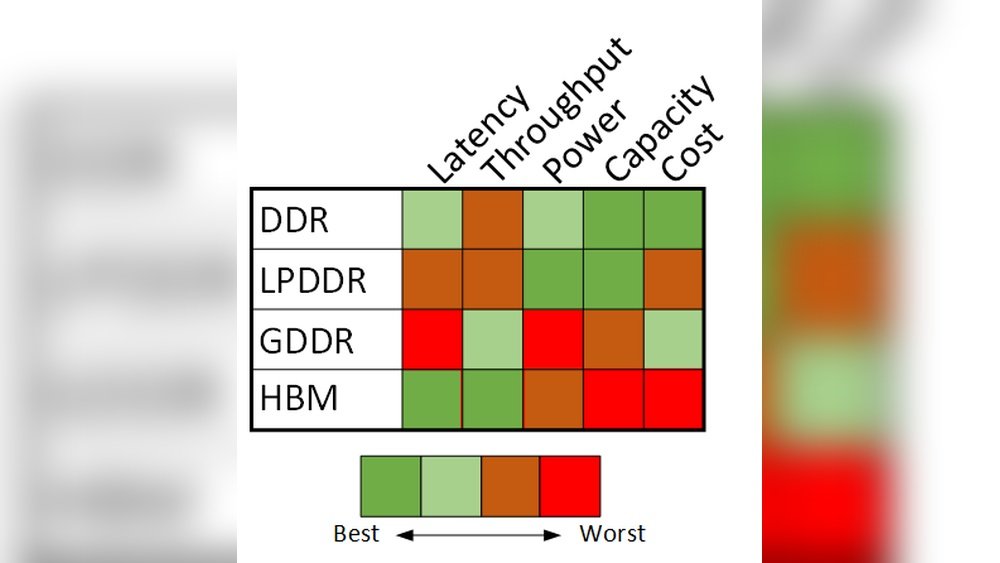
When it comes to your computer’s memory, not all RAM is created equal. You might have heard about modular RAM and soldered LPDDR, but what does that really mean for your device’s performance—and your wallet?
Choosing between these two isn’t just about speed or capacity; there’s a hidden cost that could impact how long your machine stays fast and useful. Are you ready to uncover what manufacturers don’t always tell you? Keep reading to find out how your choice between modular and soldered RAM could affect your upgrade options, device lifespan, and overall performance in ways you might not expect.
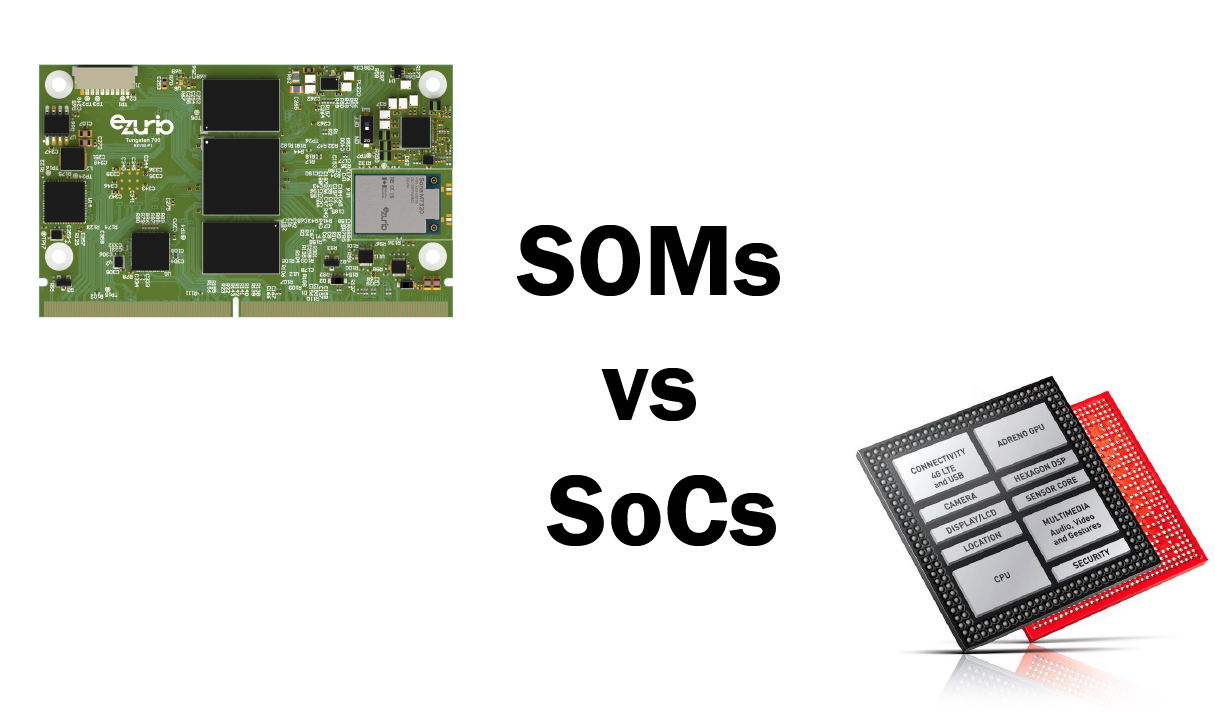
Credit: www.ezurio.com
Modular Ram Basics
Modular RAM refers to memory modules that can be installed and removed from a computer. These modules come in standard sizes and shapes. They fit into slots on the motherboard. This design allows easy upgrades and repairs.
Understanding the basics of modular RAM helps to see its pros and cons. It contrasts with soldered LPDDR memory, which is fixed to the motherboard. Modular RAM offers flexibility but may have different performance traits.
Physical Design And Installation
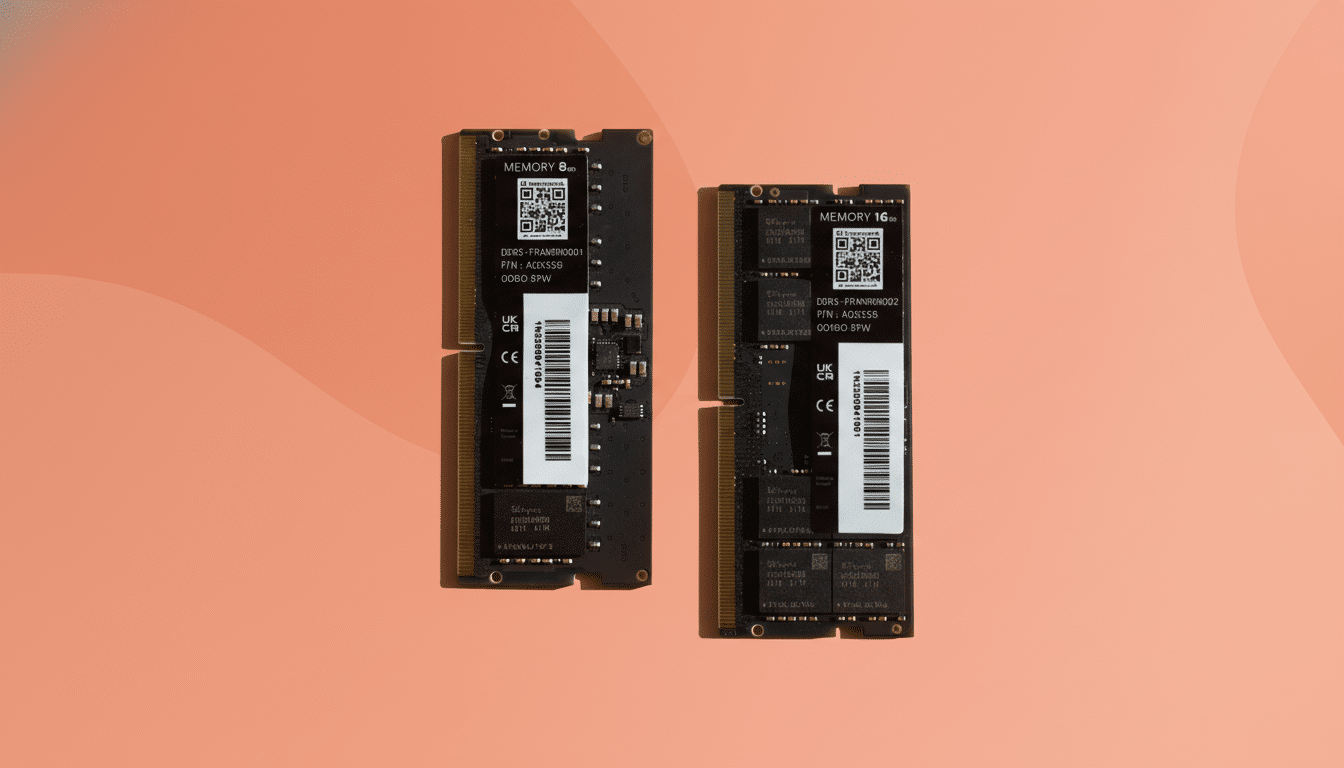
Modular RAM is made as separate sticks or DIMMs. These sticks slide into dedicated slots on the motherboard. The slots have clips to hold the RAM firmly in place. Installation requires no soldering, only careful insertion.
This design makes modular RAM accessible for most users. It is easy to add or remove without special tools. The physical size of modules is larger than soldered chips. The space needed affects device thickness and weight.
Upgrade And Repair Options
Modular RAM allows simple upgrades by swapping old sticks with new ones. Users can increase memory capacity by adding more modules. Repair is also easier because faulty modules can be replaced alone.
This flexibility extends a device’s lifespan. It helps meet growing software needs over time. Modular RAM suits people who want to customize or maintain their computers. It avoids the need to replace the entire motherboard.
Typical Performance Characteristics
Modular RAM usually runs at standard speeds defined by its type. Performance depends on the module’s quality and motherboard support. It may have slightly higher latency than soldered LPDDR memory.
The physical distance from the CPU can affect speed and efficiency. Modular RAM uses more power due to longer connections. Still, it delivers reliable performance for most everyday tasks.
This memory type balances ease of use with adequate speed. It suits users valuing upgradability over peak performance. Understanding these traits helps compare it to soldered LPDDR memory.
Credit: www.findarticles.com
Soldered Lpddr Explained
Soldered LPDDR is a type of memory fixed directly onto a device’s motherboard. Unlike traditional modular RAM, it cannot be removed or upgraded by the user. This design choice affects many aspects of a device’s performance and usability.
Understanding soldered LPDDR helps reveal the hidden costs and benefits related to performance and device design.
Integration On Motherboard
Soldered LPDDR is embedded onto the motherboard during manufacturing. This integration removes the need for separate RAM slots or modules. It creates a simpler internal layout and reduces the risk of connection issues. It also means the memory is permanently fixed, limiting upgrade options.
Space And Power Efficiency
Soldered LPDDR takes up less physical space inside devices. This allows for thinner and lighter laptops or tablets. It also consumes less power compared to removable RAM. Lower power use helps improve battery life and reduce heat generation.
Performance Benefits
LPDDR memory soldered close to the CPU can run at higher speeds. The shorter distance improves data transfer rates and reduces latency. This setup offers better overall system responsiveness. However, these gains come with trade-offs in flexibility and repairability.
Performance Comparison
Comparing modular RAM and soldered LPDDR reveals key performance differences. These differences affect how fast your device runs and handles tasks. Understanding these aspects helps in choosing the right memory type for your needs.
Speed And Bandwidth Differences
Modular RAM often runs at standard speeds set by the motherboard. Soldered LPDDR tends to offer higher speeds because it sits closer to the CPU. This proximity allows data to move faster between the processor and memory.
Bandwidth is the amount of data that moves per second. LPDDR usually provides greater bandwidth due to its design. Modular RAM bandwidth depends on the module and the slot it uses.
Latency And Efficiency
Latency means the delay before data transfer starts. Modular RAM may have higher latency because of the physical connection. Soldered LPDDR reduces this delay by cutting down the distance data travels.
Efficiency is how well memory uses power and resources. LPDDR is designed to consume less power, making it more efficient. Modular RAM uses more power, which can affect battery life in laptops.
Real-world Impact On Computing
Higher speed and lower latency improve everyday tasks like browsing and streaming. Soldered LPDDR can handle multitasking better due to its quick access and efficiency. Modular RAM offers flexibility but may slow down under heavy loads.
In gaming or video editing, performance differences become more noticeable. LPDDR provides smoother experiences with faster frame rates. Modular RAM upgrades can extend device life but might not match soldered memory speed.

Credit: www.ifixit.com
Hidden Costs Of Soldered Ram
Soldered RAM offers speed and compact design advantages. Yet, it carries hidden costs many users overlook. These costs affect your computer’s lifespan and flexibility. Understanding these drawbacks helps you make smarter hardware choices.
Loss Of Upgradability
Soldered RAM is permanently fixed to the motherboard. You cannot remove or upgrade it later. This limits your ability to increase memory as software demands grow. Over time, your device may struggle with new applications. Upgrading means replacing the whole device, which is costly and wasteful.
Repair Challenges
Fixing soldered RAM is complex and expensive. If the RAM fails, you cannot swap out a module. The entire motherboard often requires replacement. Repair shops may charge high fees for this service. This adds to the total cost of ownership and downtime.
Long-term Value Considerations
Devices with soldered RAM lose value faster. Buyers prefer machines they can upgrade or repair easily. Soldered RAM limits resale options and reduces appeal. Investing in modular RAM can save money and extend device life. Think beyond initial performance and consider future needs.
Manufacturing And Cost Factors
The choice between modular RAM and soldered LPDDR affects more than just performance. Manufacturing and cost factors play a key role in deciding which memory type ends up in your device. These factors influence production methods, pricing, and the final cost to consumers. Understanding these can reveal the hidden costs behind the performance claims of each memory type.
Production Efficiency
Soldered LPDDR allows streamlined manufacturing. It is directly attached to the motherboard during assembly. This reduces the number of parts and assembly steps. Machines can place and solder these chips quickly and with less chance of error. Modular RAM requires separate modules to be produced, tested, and then installed. This adds time and complexity to the process. Soldered memory helps manufacturers speed up production and reduce labor costs.
Cost Savings For Manufacturers
Soldered LPDDR chips cost less to produce in large volumes. Fewer components mean lower materials cost. The simplified assembly process cuts down on labor expenses. Manufacturers also save by using automated machines rather than manual installation. Modular RAM sticks add to inventory and handling costs. They must be compatible with many devices, increasing design and testing expenses. Soldered memory reduces these overheads, allowing manufacturers to keep costs down.
Impact On Consumer Pricing
Lower manufacturing costs can translate to cheaper devices for consumers. Soldered LPDDR laptops and phones often have better price points. However, the lack of upgrade options may lead to higher long-term costs. Modular RAM devices might cost more upfront due to complex assembly. Consumers gain the ability to upgrade or replace memory later. The initial price difference reflects these trade-offs between flexibility and production savings.
Use Cases And Suitability
Choosing between modular RAM and soldered LPDDR depends on the user’s needs. Each type has strengths that suit different tasks and devices. Understanding where each fits best can save money and improve performance.
Some users need flexibility to upgrade or replace memory. Others prefer better speed and efficiency without future changes. The right choice depends on how the device will be used and what matters most.
When Modular Ram Is Advantageous
Modular RAM allows easy upgrades and repairs. Users can add more memory as their needs grow. This suits gamers, video editors, and professionals using heavy software.
It also helps those who want to extend their device’s life. Replacing faulty RAM is simple and less costly. Modular RAM fits desktops and some laptops that prioritize flexibility.
Ideal Scenarios For Soldered Lpddr
Soldered LPDDR offers better power efficiency and speed. It sits closer to the CPU, improving performance in compact devices. This makes it ideal for ultraportable laptops and tablets.
Devices that value thin design and longer battery life benefit most. Soldered RAM reduces space and heat, perfect for mobile use. It suits users who rarely upgrade or customize memory.
Balancing Performance And Flexibility
Choosing between modular and soldered RAM means weighing trade-offs. Modular RAM provides flexibility but may use more power and space. Soldered LPDDR boosts speed and efficiency but limits upgrades.
Consider your device’s purpose and lifespan. For long-term use and heavy tasks, modular RAM offers growth. For lightweight, fast devices with fixed needs, soldered LPDDR works better.
Future Trends In Ram Design
RAM design is changing fast to meet new tech demands. These changes affect how devices perform and how users upgrade. Understanding the trends helps in choosing the right device today.
Shift Toward Soldered Solutions
More devices use soldered RAM to save space and boost speed. Soldered RAM sits closer to the CPU, improving data flow. This design also reduces power use, which is key for mobile devices. Yet, it limits user upgrades and repairs.
Advancements In Memory Technology
Memory chips are getting faster and more efficient. New types of RAM like LPDDR5 offer higher bandwidth with lower power. These improvements support better gaming, streaming, and multitasking. Tech firms focus on making RAM smaller and stronger.
Potential For Hybrid Approaches
Some makers try mixing modular and soldered RAM designs. Hybrid models aim to offer both speed and upgrade options. This balance could help users extend device life without losing performance. Hybrid RAM may become common in mid-range laptops and desktops.
How The Laptop Scout Can Help You with Modular Ram Vs Soldered Lpddr: The Hidden Cost of Performance
Practical Insights on Choosing Between Modular RAM and Soldered LPDDR
Having explored the basics of modular RAM and soldered LPDDR, along with their performance differences and hidden costs, it’s clear that the choice isn’t always straightforward. From my experience at The Laptop Scout, understanding the manufacturing and cost factors behind these options helps you weigh long-term value against upfront performance gains.
For example, while soldered LPDDR may offer speed advantages, its lack of upgradability can be a significant limitation—especially if your needs evolve or software demands increase. On the other hand, modular RAM provides flexibility but might come with trade-offs in size or power efficiency.
If you’re diving deeper into this topic, I recommend tracking real-world use cases and how future RAM trends might impact your laptop’s lifespan. Feel free to reach out at contact@thelaptopscout.com for more nuanced discussions or questions. Keeping these practical angles in mind ensures you pick a setup that aligns well with your lifestyle and budget.
Frequently Asked Questions
What Are The Downsides Of Soldered Ram?
Soldered RAM limits upgrade options and repairability. It locks your device to fixed memory capacity, reducing future flexibility.
Are Soldered Ram Faster?
Soldered RAM often runs faster due to closer CPU proximity and better bandwidth. It improves speed but not latency.
Is All Lpddr Ram Soldered?
Most LPDDR RAM is soldered directly onto the motherboard to save space and boost efficiency. However, not all LPDDR RAM is soldered in every device.
Why Do Thinkpads Have Soldered Ram?
ThinkPads use soldered RAM to save space, improve performance by placing memory closer to the CPU, and simplify automated assembly.
Conclusion
Choosing between modular RAM and soldered LPDDR affects performance and costs. Modular RAM offers easy upgrades but may run slower. Soldered LPDDR boosts speed and saves space but limits future upgrades. This trade-off impacts your device’s lifespan and flexibility. Think about your needs today and tomorrow before deciding.
Balance performance gains against potential upgrade costs. Your choice shapes how well your device adapts over time.