
Is your laptop only turning on when it’s plugged into the charger? It can be frustrating to feel tied down to a power outlet every time you want to use your device.
Often, this issue is linked to your battery losing its ability to hold a proper charge. But here’s the good news: you might be able to fix it yourself by calibrating your laptop battery. In this guide, you’ll learn simple steps to recalibrate your battery, helping your laptop recognize its true charge and work unplugged again.
Keep reading to regain your laptop’s freedom and avoid costly repairs.
Credit: www.youtube.com
Common Battery Issues
Laptop battery problems cause many power issues. Identifying common battery faults helps fix the laptop faster. Some issues prevent the battery from holding charge or being recognized. Others relate to power settings that stop battery use. Understanding these problems is the first step to repair.
Dead Or Failing Battery
Batteries lose capacity over time. A dead or failing battery cannot hold a charge. The laptop works only when plugged in because the battery fails to power it. Signs include sudden shutdowns or short battery life. Replacing the battery may be necessary to restore normal use.
Battery Not Detected
Sometimes the laptop does not detect the battery. This issue occurs due to hardware or software errors. The system may show no battery or a charging error. Removing and reinserting the battery or updating drivers can help. In some cases, the battery or connection needs repair.
Power Settings Problems
Incorrect power settings can block battery use. The laptop may run only on AC power to save battery life. Checking and adjusting power plans in the control panel solves this issue. Resetting settings to default can also restore battery function. Power options affect how the laptop uses its battery.
Signs Your Battery Needs Calibration
Knowing the signs your laptop battery needs calibration helps avoid power issues. A battery that is out of sync with the system causes problems. These signs warn you to take action before the battery fails completely. Watch for common symptoms that show your battery is not working right.
Sudden Shutdowns
Your laptop may turn off without warning, even with battery charge left. This happens because the battery’s charge reporting is wrong. The system thinks there is enough power, but the battery dies quickly. Sudden shutdowns can cause data loss and damage to your files.
Inaccurate Charge Levels
The battery percentage on your screen might jump up and down. It may show full one moment and low the next. This inaccuracy confuses you about how much time is left. The laptop may warn you of low battery too late or too early.
Laptop Only Works Plugged In
The laptop runs only when connected to the charger. Removing the power cord makes it shut down instantly. This happens because the battery is not holding or reporting charge correctly. Calibration can fix this by resetting the battery’s charge readings.
Battery Calibration Basics
Battery calibration helps your laptop accurately measure its battery life. It improves the connection between the battery and your laptop’s power management system. This process resets the battery sensor, so your laptop shows the correct charge level. Calibration can fix issues like sudden shutdowns or incorrect battery percentage readings. Understanding battery calibration basics is key to keeping your laptop running well on battery power.
What Calibration Does
Calibration resets the battery’s charge indicator. It lets your laptop learn the true capacity of the battery. Over time, batteries lose accuracy in reporting their charge. Calibration helps fix this by fully charging and discharging the battery. It improves the laptop’s ability to estimate how much power is left. This way, your laptop won’t shut down unexpectedly or show wrong battery levels.
When To Calibrate
Calibrate your battery if the charge percentage jumps suddenly. If your laptop turns off before reaching 0%, calibration is needed. It also helps when the battery life seems much shorter than before. New laptops sometimes need calibration to set accurate battery readings. Try to calibrate every few months to keep the battery sensor accurate. It is a simple step to maintain good battery health and performance.
Step-by-step Calibration Process
Calibrating your laptop battery helps fix charging and power issues. It improves battery accuracy and performance. The process involves fully charging, discharging, and recharging the battery. Follow these simple steps carefully to recalibrate your battery properly.
Fully Charge The Battery
Plug in your laptop charger and charge the battery to 100%. Let it stay connected even after reaching full charge. This ensures the battery is completely topped up. Avoid using the laptop during this charging phase to keep it stable.
Discharge Completely
Unplug the charger and use the laptop normally. Let the battery drain fully until the laptop shuts down automatically. This step resets the battery meter. Avoid plugging in the charger or turning off the laptop during this process.
Recharge Without Interruptions
Plug the charger back in and charge the battery to 100% again. Do not use the laptop or unplug the charger while charging. This final step completes the calibration. Your battery indicator should now show accurate charge levels.
Using Calibration Software
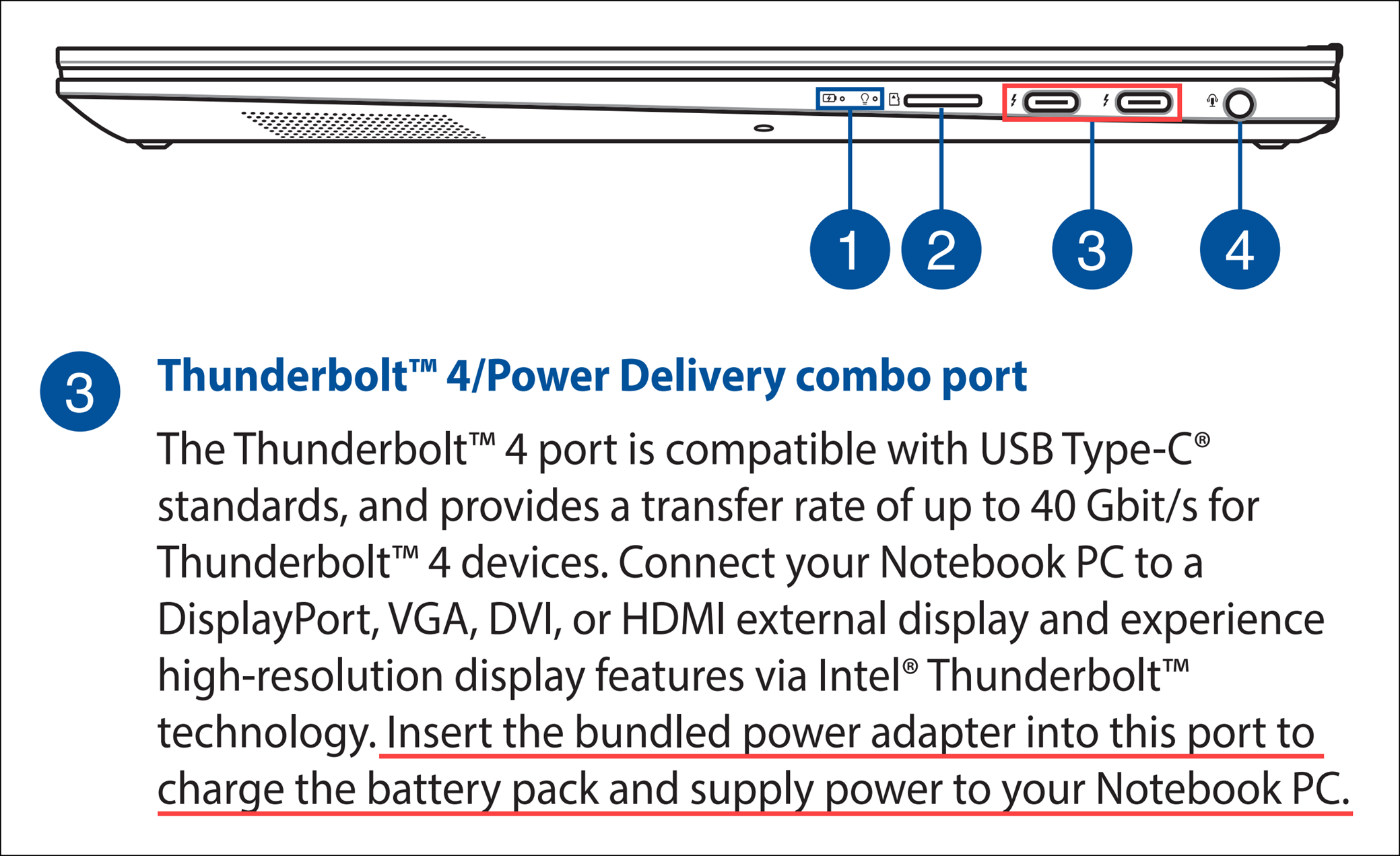
Using calibration software helps fix laptop battery issues effectively. It adjusts the battery sensor to show the correct charge level. Calibration improves battery life and performance. You can use tools made by your laptop’s manufacturer or third-party apps. Both options guide you through the calibration process step-by-step. Calibration software runs tests that drain and recharge the battery safely. This resets the battery meter for accurate readings. Proper calibration prevents your laptop from shutting down unexpectedly. It also ensures the battery charges properly when unplugged.
Manufacturer Tools
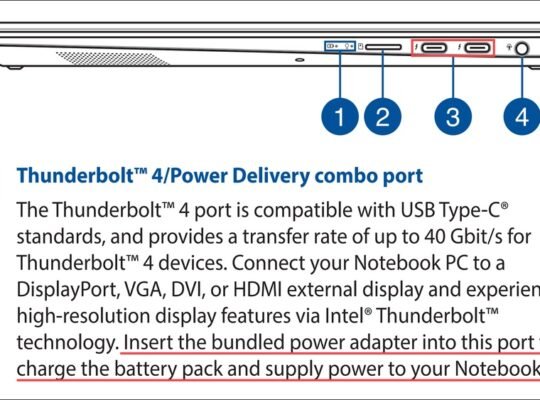
Many laptop brands offer built-in calibration software. These tools are designed specifically for your laptop model. They perform safe battery discharge and recharge cycles automatically. Using manufacturer tools guarantees compatibility and reduces risks. Check your laptop’s support website for available software. Brands like Dell, HP, Lenovo, and ASUS provide free calibration utilities. The software often runs in Windows or BIOS mode. Follow the instructions carefully to complete the process. Manufacturer tools can fix battery errors and improve charge accuracy.
Third-party Apps
Third-party apps offer alternative ways to calibrate batteries. They work on many laptop brands and models. Some popular apps include BatteryCare, Smarter Battery, and BatteryMon. These apps monitor battery health and guide calibration steps. They provide detailed reports on battery status and wear level. Third-party apps often have user-friendly interfaces for easy use. Choose apps from trusted sources to avoid malware risks. Calibration with third-party software can help detect hidden battery problems. Always back up important data before using these tools.
Credit: www.asus.com
Additional Fixes For Power Issues
Sometimes, fixing a laptop that only works when plugged in requires more than battery calibration. Power issues can stem from software or hardware glitches. Exploring additional fixes can help restore normal battery function. These simple steps often solve common power problems without complex tools.
Resetting The Battery Driver
Resetting the battery driver can clear errors affecting battery detection. Open Device Manager on your laptop. Find and expand the “Batteries” section. Right-click on “Microsoft ACPI-Compliant Control Method Battery” and select “Uninstall device.” After uninstalling, restart your laptop. Windows will reinstall the driver automatically. This often fixes battery recognition issues.
Performing A Power Reset
A power reset can refresh your laptop’s hardware and clear power glitches. Start by shutting down the laptop completely. Unplug the charger and remove the battery if possible. Hold the power button for 15 to 30 seconds to drain residual power. Reinsert the battery and plug in the charger. Turn on the laptop and check if the battery works.
Checking Power Settings
Incorrect power settings may prevent battery use. Open the Control Panel and go to “Power Options.” Check the current power plan and adjust settings if needed. Ensure the laptop is set to use battery power when unplugged. Disable any settings that limit battery performance. This simple step can restore normal battery operation.
When To Replace Your Battery
Knowing when to replace your laptop battery helps keep your device reliable. A battery that only works while plugged in often signals a deeper issue. Sometimes calibration can fix the problem, but a worn-out battery needs replacement. Recognizing signs of battery failure and selecting the right new battery is crucial. This section guides you through these important steps.
Signs Of Battery Failure
Battery life drops quickly or the laptop shuts down suddenly. The device runs only when connected to power. The battery does not charge fully or stays at zero percent. The laptop heats up more than usual during use. The battery icon shows errors or fails to appear. These signs usually mean the battery cannot hold charge.
Choosing A Replacement Battery
Pick a battery that matches your laptop model exactly. Use batteries from trusted brands or the laptop manufacturer. Check battery capacity and voltage to ensure compatibility. Avoid cheap or generic batteries as they may fail fast. Confirm the battery’s warranty and return policy before buying. Proper replacement ensures safety and longer laptop life.

Credit: support.skullcandy.com
Preventive Tips For Battery Health
Keeping your laptop battery healthy helps it last longer and work better. Good care prevents sudden shutdowns and charging problems. Follow simple tips to protect your battery from damage. These easy steps save you time and money on repairs.
Proper Charging Habits
Charge your laptop battery regularly, but avoid overcharging. Unplug the charger once the battery reaches 100%. Let the battery drain to about 20-30% before charging again. Avoid keeping your laptop plugged in all the time. Use the original charger to ensure safe and steady power supply.
Avoiding Extreme Temperatures
Keep your laptop away from very hot or cold places. High heat can reduce battery life quickly. Cold temperatures also harm battery performance. Use your laptop in a room with normal temperature. Avoid leaving it in a car or near heaters and air conditioners.
Frequently Asked Questions
Why Does My Laptop Battery Only Work When Plugged In?
Your laptop battery may be dead, failing, or not detected by the system. Incorrect power settings can also cause this issue. Try recalibrating the battery or reinstalling battery drivers to fix the problem.
How To Solve Battery Calibration Issue?
To solve battery calibration issues, fully charge the battery, then discharge it completely. Repeat this cycle twice. Avoid interrupting the process. This resets the battery sensor for accurate charge readings and improves performance.
Can You Use A Laptop During Battery Calibration?
You can use your laptop during battery calibration, but avoid heavy tasks. Keep it on until fully charged and discharged for best results.
How Long Does It Take For A Laptop Battery To Calibrate?
Laptop battery calibration typically takes 2 to 3 hours to complete a full charge and discharge cycle.
Conclusion
Battery calibration can solve many laptop power issues. Follow the steps carefully to reset your battery. This helps your laptop recognize the battery properly. Regular calibration keeps the battery healthy and working well. If problems continue, consider checking the battery or power settings.
Simple fixes often save time and money. Stay patient and try these tips for better battery life. Your laptop will work better unplugged with proper care.