

You’ve probably heard the buzz: Arm and x86 architectures are gearing up for a major showdown by 2026. But this isn’t just another tech debate—it’s about how your devices will perform and how long their batteries will last in the near future.
Whether you’re a gamer, developer, or everyday user, understanding this battle can change the way you choose your next laptop, tablet, or smartphone. Ready to find out which architecture could power your world better? Let’s dive into the Arm vs x86 war that’s shaping the future of performance and battery life.
Arm Architecture Basics
ARM architecture forms the base of many modern processors. It focuses on simplicity and efficiency. ARM chips power billions of devices worldwide, from smartphones to servers. Understanding its basics helps grasp why ARM challenges x86 in battery life and performance.
This architecture uses a unique design that reduces power use while maintaining speed. It fits well with devices needing long battery life and low heat. Let’s explore the core principles behind ARM’s success.
Risc Design Principles
ARM uses RISC, or Reduced Instruction Set Computing. It simplifies commands to speed up processing. Each instruction does less but runs very fast. This approach cuts down the processor’s complexity. Fewer instructions mean less power is needed. This design helps ARM chips run cooler and last longer on batteries.
Energy Efficiency Features
ARM processors include special features to save energy. They use smaller, simpler cores that consume less power. Techniques like clock gating stop parts of the chip when idle. ARM chips often use multiple cores to balance load and power. This means better battery life without losing performance. These features make ARM ideal for mobile devices and laptops.
Typical Use Cases
ARM architecture is common in smartphones and tablets. It also appears in wearables and Internet of Things (IoT) gadgets. Many laptops and servers now use ARM for energy savings. ARM is preferred where long battery life matters most. Its low heat output suits compact and portable devices well.

Credit: www.eenewseurope.com
X86 Architecture Essentials
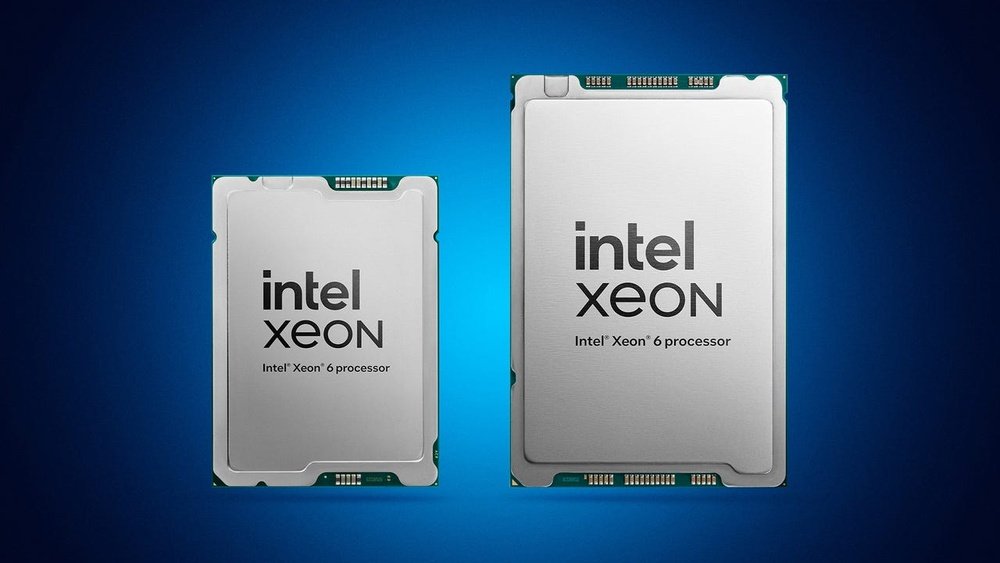
The x86 architecture has shaped modern computing for decades. It powers most desktops, laptops, and servers worldwide. Its design focuses on complex instructions and high compatibility. Understanding its basics helps us see how it competes with ARM in battery and performance.
This architecture uses a complex instruction set computing (CISC) approach. It processes many types of commands in a single instruction. This method allows more work per instruction but can use more power. The x86 design balances speed and compatibility across many software types.
Cisc Design Characteristics
The x86 architecture uses complex instructions with many addressing modes. It can perform multiple operations in one instruction cycle. This complexity helps run legacy and modern software smoothly. The design requires more transistors and power than simpler architectures.
Instructions can vary in length and function. This flexibility makes programming easier for developers. The architecture supports backward compatibility with older software. It ensures older programs run on newer hardware without issues.
Performance Strengths
x86 chips excel in raw computing power. They handle heavy tasks like gaming, video editing, and scientific simulations well. Their high clock speeds and multiple cores boost multitasking performance. The architecture also benefits from decades of optimization by Intel and AMD.
Advanced features like out-of-order execution and branch prediction improve speed. These features reduce delays and keep the processor busy. The design fits well with large caches and fast memory systems. This combination helps achieve high throughput in demanding tasks.
Common Applications
x86 architecture dominates in personal computers and servers. It runs most Windows and Linux operating systems. Business software, creative tools, and games mostly target x86 processors. Data centers rely on x86 for handling cloud computing and databases.
Many software developers optimize their programs for x86 first. This creates a large ecosystem supporting this architecture. Despite rising ARM usage, x86 remains vital for power users and enterprises. Its widespread use ensures ongoing innovation and support.
Battery Life Comparisons
Battery life remains a key factor in the Arm vs x86 architecture battle. Devices using these chips show big differences in how long they run on a single charge. Understanding battery life means looking closely at power use, heat control, and effects on mobile gadgets. Each architecture has strengths that affect user experience and device design. Below, we explore these areas to see how they shape battery performance in 2026.
Power Consumption Metrics
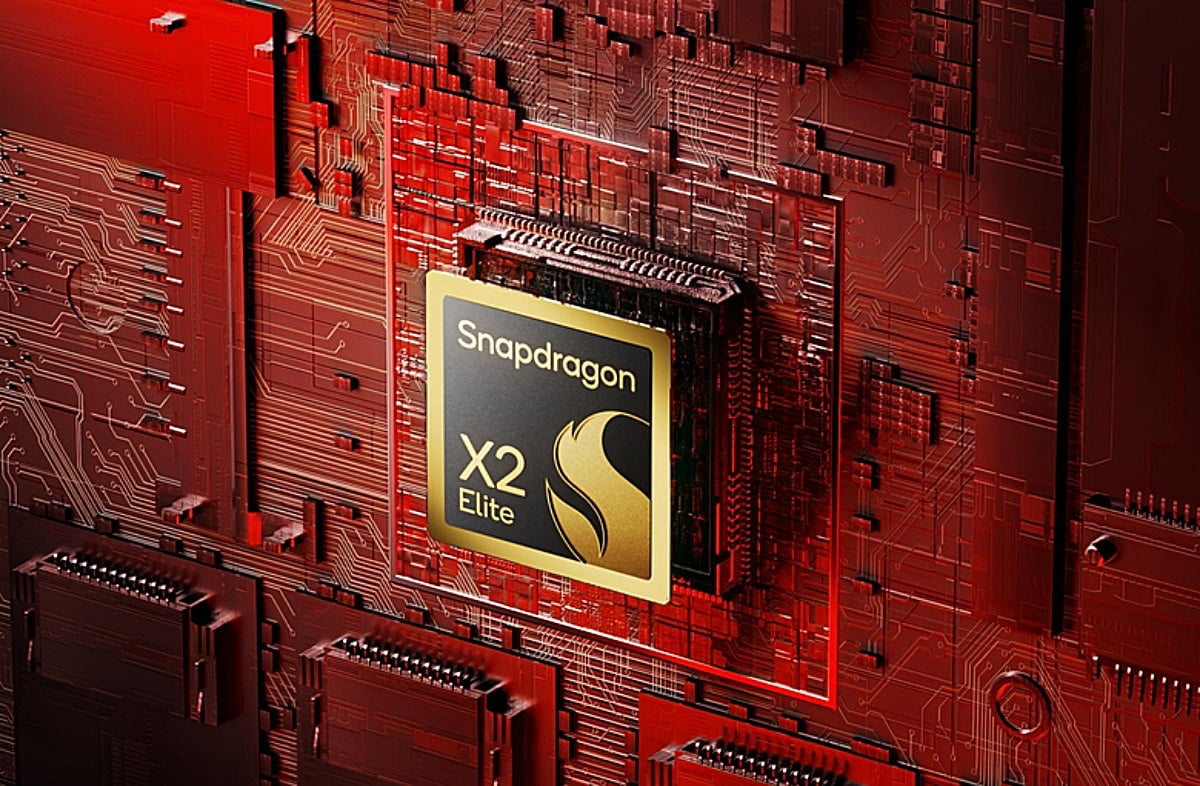
Power consumption measures how much energy a chip uses. Arm chips often consume less power due to their simple design. This efficiency helps devices last longer between charges. In contrast, x86 processors can draw more power because they handle more complex tasks. Despite higher power use, x86 chips may offer stronger performance in some cases. Testing power use under different tasks shows clear differences between these architectures.
Thermal Management
Heat is a common issue for both Arm and x86 processors. Arm chips generate less heat thanks to lower energy use. This reduces the need for big cooling systems. X86 processors often require active cooling like fans to stay cool. Overheating can reduce battery life and slow down devices. Good thermal management helps maintain performance and extends battery time for both chip types.
Impact On Mobile Devices
Mobile devices rely heavily on battery life and heat control. Arm’s lower power use suits smartphones and tablets well. These devices can be slimmer and run cooler. X86 architecture is common in laptops and desktops that need more power. However, advances in x86 design are improving battery life in portable PCs. The choice between Arm and x86 influences device size, weight, and user comfort.
Credit: mashdigi.com
Performance Metrics Analysis
Performance metrics provide a clear view of how ARM and x86 architectures stack up. These metrics guide users in choosing the right processor for their needs. This section breaks down key performance areas to compare both architectures.
Processing Speed
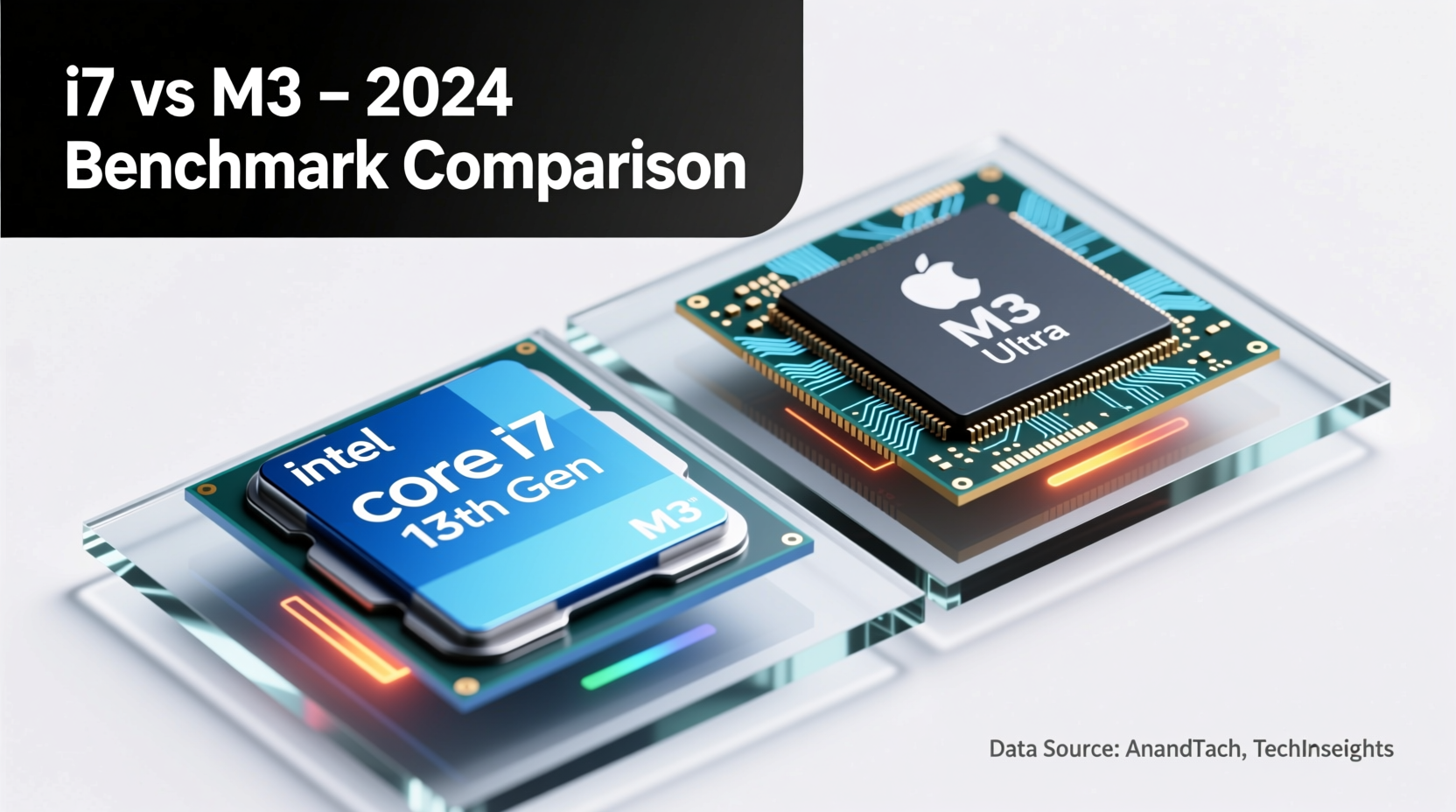
Processing speed measures how fast a CPU executes tasks. x86 chips traditionally excel in raw speed for complex instructions. ARM chips focus on efficiency, balancing speed with lower power use. Recent ARM designs have closed speed gaps significantly. Task type affects which architecture performs better. Simple tasks run swiftly on ARM, while heavy loads may favor x86.
Multitasking And Workloads
Multitasking tests how well a processor handles multiple tasks at once. x86 processors often have more cores, aiding heavy multitasking. ARM chips use big.LITTLE designs to save energy during light workloads. For mixed workloads, ARM can switch cores to optimize power. x86 remains strong for continuous, high-demand multitasking environments. Both architectures improve with software that supports parallel processing.
Software Compatibility
Software compatibility affects performance and user experience. x86 dominates legacy applications and many professional tools. ARM support grows steadily, especially in mobile and cloud apps. Emulation helps run x86 software on ARM, though with some speed loss. Developers optimize apps for ARM to boost native performance. Compatibility remains a key factor in choosing between ARM and x86.
2026 Technology Trends
The year 2026 brings new shifts in technology trends. These shifts focus on power efficiency and raw performance. ARM and x86 architectures face strong competition. Both aim to meet growing needs for speed and battery life. These trends shape the future of computers and mobile devices.
Advancements In Arm Chips
ARM chips continue to get faster and more energy-efficient. New designs reduce power use while boosting speed. ARM’s simple structure helps keep chips small and cool. These improvements suit smartphones, tablets, and lightweight laptops. ARM also works well for AI tasks and edge computing.
Innovations In X86 Processors
x86 processors focus on raw power and multitasking. They now use smarter cores and better threading techniques. These changes improve performance in gaming and heavy software. x86 chips also gain better power management. This helps extend battery life in high-performance laptops.
Emerging Market Demands
Consumers want devices with longer battery life and quick response. Businesses need reliable and fast processors for cloud and data centers. The rise of remote work pushes demand for efficient laptops. Wearable tech and IoT devices require low-power chips. Both ARM and x86 evolve to meet these needs.
Credit: www.alibaba.com
Industry Perspectives
The battle between ARM and x86 architectures is reshaping the tech industry. Companies, developers, and consumers all watch closely. Each group has its own hopes and concerns about the future of battery life and performance. This section explores their views and strategies.
Amd And Intel Strategies
AMD and Intel focus on boosting x86 performance while improving energy use. They invest heavily in new chip designs. Both aim to keep desktop and laptop users satisfied. Intel pushes hybrid cores to balance power and efficiency. AMD works on increasing core counts and clock speeds. They target gamers and professionals needing high computing power.
Arm’s Market Expansion
ARM chips grow beyond smartphones into laptops and servers. ARM’s strength lies in low power consumption and smaller sizes. More manufacturers adopt ARM designs for energy-efficient devices. ARM focuses on cloud computing and edge devices next. Its open licensing model attracts many new partners. This expansion challenges x86’s long dominance.
Developer And Consumer Views
Developers value ARM for easier optimization and longer battery life. Many enjoy building apps that run well on ARM devices. Some worry about software compatibility with x86 programs. Consumers seek devices that last longer without charging. They want smooth performance for work and play. Both groups watch this rivalry as it shapes tech choices.
Future Outlook
The future of Arm and x86 architectures shapes the tech landscape ahead. Both architectures push boundaries in battery life and performance. Innovations will influence devices from smartphones to desktops. Understanding their future helps predict user experience and industry trends.
Potential For Hybrid Architectures
Hybrid architectures combine strengths of Arm and x86 designs. Chips may use Arm cores for energy-saving tasks. x86 cores handle high-performance needs. This mix can balance power and speed effectively. It suits devices needing long battery life and strong performance. Hybrid designs could become common by 2026.
Impact On Mobile And Desktop Computing
Arm’s efficiency drives mobile computing forward. Phones and tablets gain longer battery life and less heat. x86 still dominates desktops with raw power for complex software. Desktop makers may adopt Arm for energy-saving models. Mobile and desktop lines may blur as tech evolves. This shift could change how users choose devices.
Predictions For Battery And Performance Wars
Battery life will remain a top priority for consumers. Arm architectures likely keep improving energy efficiency. x86 will focus on boosting performance without huge power costs. Both sides invest in smaller, faster, cooler chips. The battle will push innovation in chip design and software. Users can expect smarter, longer-lasting devices by 2026.
How The Laptop Scout Can Help You with Arm Vs X86 Architecture: The 2026 Battery And Performance War
Turning Insights into Practical Learning
As we’ve explored the fundamentals of ARM and x86 architectures alongside battery life comparisons and performance metrics, it’s clear that the 2026 landscape will bring exciting shifts. If you’re keen to deepen your understanding, consider hands-on experimentation with devices featuring both architectures. This real-world testing can reveal how each handles everyday tasks, battery endurance, and thermal management—key factors we discussed earlier.
At The Laptop Scout, I aim to guide you through these nuanced differences without the hype. Whether you’re a student, content creator, or hybrid worker, trying out laptops or tablets with ARM and x86 chips can be an excellent way to see how these technologies align with your lifestyle and priorities.
- Compare battery performance in daily use
- Evaluate software compatibility and speed
- Note thermal behavior during intensive tasks
If you want to chat more about which architecture suits your needs or have questions about the latest trends, feel free to reach out at contact@thelaptopscout.com. Exploring these aspects personally complements the insights shared and helps you make truly informed decisions.
Frequently Asked Questions
What Is The Main Difference Between Arm And X86 Architectures?
ARM architecture uses RISC design for energy efficiency, ideal for mobile devices. X86 uses CISC design, focusing on high performance and compatibility with legacy software, common in desktops and servers.
How Does Arm Architecture Impact Battery Life?
ARM’s RISC design optimizes power consumption, extending battery life significantly in mobile and portable devices compared to x86 processors.
Will X86 Outperform Arm In 2026?
X86 may still lead in raw performance, but ARM is closing the gap with better efficiency and optimized power usage by 2026.
Why Is Arm Favored In Mobile Devices?
ARM processors provide long battery life, smaller chip size, and lower heat output, making them perfect for smartphones and tablets.
Conclusion
The battle between Arm and x86 will shape future devices. Arm offers strong battery life with efficient design. X86 delivers powerful performance for demanding tasks. Users will choose based on their needs and priorities. Expect ongoing improvements from both sides by 2026.
This competition drives innovation and better technology. Stay tuned as these architectures continue to evolve.