
You’re eyeing the latest Nvidia RTX 50-Series mobile GPUs but wondering if they truly outshine the RTX 40-Series. Is upgrading your laptop’s graphics card worth the investment, or will the jump barely move the needle in your gaming and creative work?
If you want clear answers that help you decide where your money makes the biggest impact, you’re in the right place. This breakdown will cut through the hype and show you exactly what the new series brings to your screen—and whether your experience will feel the difference.
Keep reading to find out if the RTX 50-Series is the upgrade your mobile setup needs.
Credit: www.pugetsystems.com
Performance Differences
The performance gap between Nvidia RTX 50-Series Mobile and RTX 40-Series is a key factor for many buyers. This section breaks down the main differences. It covers raw power, ray tracing, DLSS, VRAM, and memory bandwidth. Understanding these helps decide if upgrading makes sense.
Raw Graphics Power
The RTX 50-Series offers higher clock speeds than the 40-Series. It features more CUDA cores, which boost processing ability. This means games and apps run smoother and faster. Users see better frame rates, especially in demanding titles. The 50-Series handles complex tasks with less lag. This gives a noticeable edge in gameplay and creative work.
Ray Tracing And Dlss Improvements
The 50-Series improves ray tracing units, making lighting effects more realistic. Shadows and reflections look sharper and more natural. DLSS technology also advances, delivering clearer images at higher frame rates. Games using DLSS benefit from less performance drop. The result is smoother gameplay without losing visual quality. These enhancements help create a more immersive gaming experience.
Vram And Memory Bandwidth
More VRAM is available on many RTX 50-Series models. This extra memory helps with high-resolution textures and large game worlds. Memory bandwidth also sees an upgrade. Faster data transfer between GPU and VRAM reduces bottlenecks. This means less stutter and faster loading times. For users working with video editing or 3D rendering, these gains improve efficiency.
Power Efficiency And Thermals
The Nvidia RTX 50-Series mobile GPUs bring notable changes in power efficiency and thermal performance compared to the RTX 40-Series. These factors greatly affect user experience, especially for laptop users. Power efficiency helps extend battery life, while better thermals ensure quieter and cooler operation. Both series push the limits, but the 50-Series introduces improvements worth examining closely.
Battery Life Impact
The RTX 50-Series is designed to consume less power at similar performance levels. This means laptops can run longer on a single charge. Users who rely on mobile gaming or creative work will notice extended battery times. The improved efficiency reduces energy waste, which is a key advantage for portable devices. Meanwhile, the RTX 40-Series still performs well but uses more power under heavy loads.
Heat Management
Heat generation directly influences comfort and hardware lifespan. The RTX 50-Series manages heat better with optimized chip design and improved power delivery. This results in lower temperatures during intense tasks. Cooler GPUs allow laptops to maintain higher clock speeds longer without thermal throttling. The 40-Series can get warmer, requiring stronger cooling solutions that may increase fan noise.
Performance Per Watt
Performance per watt measures efficiency by comparing output to power input. The RTX 50-Series achieves higher scores in this area. This means it delivers more computing power for every watt consumed. The improved efficiency supports sustained performance without draining battery quickly. The 40-Series provides solid power but falls behind in this efficiency metric. For users, this means the 50-Series can offer better value in energy use and performance balance.
Gaming Experience
The gaming experience defines how players enjoy their favorite titles. Nvidia’s RTX 50-Series mobile GPUs promise improvements over the RTX 40-Series. These enhancements affect frame rates, visuals, and overall stability. Gamers want smooth gameplay, crisp graphics, and reliable performance. Let’s explore how these two generations compare in real gaming scenarios.
Frame Rates Across Popular Titles
Frame rates directly impact game smoothness and responsiveness. The RTX 50-Series generally delivers higher frame rates than the RTX 40-Series. Popular games like Fortnite, Call of Duty, and Cyberpunk 2077 run smoother on the newer GPUs. This boost helps maintain stable FPS in demanding scenes. Players notice fewer dips and stutters, improving gameplay flow.
However, the difference is not always massive. Some titles show a moderate increase of 10-15% FPS. Others benefit more, especially at higher settings or resolutions. The RTX 50-Series handles ray tracing and DLSS better, which also affects frame rates positively.
Visual Enhancements
Both series support advanced graphics features, but the RTX 50-Series takes visuals a step further. Enhanced ray tracing cores and AI-driven upscaling provide sharper and more realistic images. Shadows, reflections, and lighting effects look richer. Textures appear clearer with less blur.
The RTX 50-Series also supports newer versions of DLSS technology. This allows games to run at higher resolutions without heavy performance drops. Visual fidelity improves without sacrificing speed. Gamers get a more immersive experience with detailed environments and smoother animations.
Stability And Driver Support
Stable drivers ensure consistent performance and fewer crashes. Nvidia invests heavily in driver updates for both GPU series. The RTX 50-Series benefits from the latest software optimizations. These updates fix bugs and improve compatibility with new games.
Players report that the RTX 50-Series offers more reliable performance during long gaming sessions. The newer architecture helps manage heat and power better. This reduces throttling and frame drops. Overall, the RTX 50-Series provides a more stable and trouble-free gaming experience.
Laptop Design And Portability
The laptop design and portability play a crucial role for users choosing between Nvidia RTX 50-Series and RTX 40-Series mobile GPUs. These aspects influence how easy it is to carry the laptop and how comfortable it feels during use. Both series target gamers and creators who demand power but also want a device that fits into daily life.
Design changes with the new RTX 50-Series affect size, weight, cooling, and connectivity. Understanding these details helps decide if upgrading is worthwhile beyond raw performance gains.
Size And Weight Differences
RTX 50-Series laptops tend to be slightly thicker due to enhanced cooling needs. The weight may increase by a few hundred grams compared to RTX 40-Series models. This change is noticeable but not drastic. Many models still aim for portability under 5 pounds. Users who carry laptops daily might feel the difference during long commutes. However, the added weight often comes with better thermal management and performance.
Build Quality And Cooling Solutions
Manufacturers improve cooling designs for the RTX 50-Series. New heat pipes and fans manage higher power outputs efficiently. Metal chassis are common to support better heat dissipation. RTX 40-Series laptops had good cooling but sometimes throttled under heavy loads. The 50-Series reduces thermal throttling, allowing sustained performance. This results in quieter fans and cooler surfaces. Stronger builds also add durability for frequent travel.
Display And Connectivity Options
Both series offer high-refresh-rate displays, but RTX 50-Series laptops often support brighter and sharper panels. More models now include OLED and mini-LED options for vivid colors. Connectivity has improved with more USB-C ports and faster Thunderbolt versions. Wi-Fi 6E support is more common, providing better wireless speeds. HDMI and DisplayPort outputs remain standard, with some 50-Series laptops offering higher bandwidth for 4K or 8K external displays. These enhancements help users connect peripherals and enjoy rich visuals easily.
Price And Availability
The price and availability of Nvidia RTX 50-Series mobile GPUs play a key role in deciding their appeal. These factors affect how soon and easily gamers and creators can upgrade. Comparing the RTX 50-Series with the RTX 40-Series helps understand the cost and access differences. This section breaks down launch prices, market availability, and overall value for money.
Launch Pricing Comparison
The RTX 50-Series launched at prices slightly higher than the RTX 40-Series. Nvidia set this due to new tech and performance gains. The price gap ranges from $50 to $150 depending on the model. Early adopters pay more but get improved efficiency and features. Budget options in the 40-Series remain attractive for cost-sensitive buyers.
Market Availability
RTX 50-Series laptops are becoming more common but still limited in variety. Supply chain issues slow mass availability. The RTX 40-Series has broader presence with many models ready to ship. Retailers list more 40-Series laptops across price points. Buyers may wait months to see wide RTX 50-Series options. This affects choice and timing for many users.
Value For Money
RTX 50-Series offers better performance per dollar in high-end models. Mid-range and entry-level options still favor the RTX 40-Series on cost-effectiveness. Buyers must weigh the performance boost against the price increase. For casual users, the older series may provide a better deal. Gamers and pros seeking top power find value in the new series despite higher costs.
Future-proofing
Choosing between the Nvidia RTX 50-Series Mobile and the RTX 40-Series often depends on how long you want your laptop to stay relevant. Future-proofing means buying a device that meets not only today’s needs but also those of the next few years. This section explores how these two series compare in terms of future technologies, updates, and value over time.
Support For Upcoming Technologies
The RTX 50-Series Mobile supports newer graphics technologies that the 40-Series lacks. It includes enhanced ray tracing and AI features that will become standard in future games. These improvements help keep visuals sharp and performance smooth. Buying the 50-Series means better readiness for upcoming software and games.
Software And Driver Updates
Nvidia prioritizes driver updates for its latest GPUs. The RTX 50-Series will receive longer and more frequent support than the 40-Series. Regular updates improve performance and fix bugs. This support ensures your laptop stays optimized as new games and applications launch.
Resale Value
Laptops with newer GPUs like the RTX 50-Series hold higher resale value. Buyers prefer machines that can run the latest software and games. The 50-Series’ advanced features make it more attractive in the second-hand market. This factor can offset the initial price difference when upgrading later.
User Feedback And Real-world Tests
User feedback and real-world tests offer clear insights into the Nvidia RTX 50-Series Mobile versus RTX 40-Series debate. They reveal how these GPUs perform outside lab conditions. Understanding actual user experiences helps buyers decide if upgrading is worthwhile.
Benchmark Results
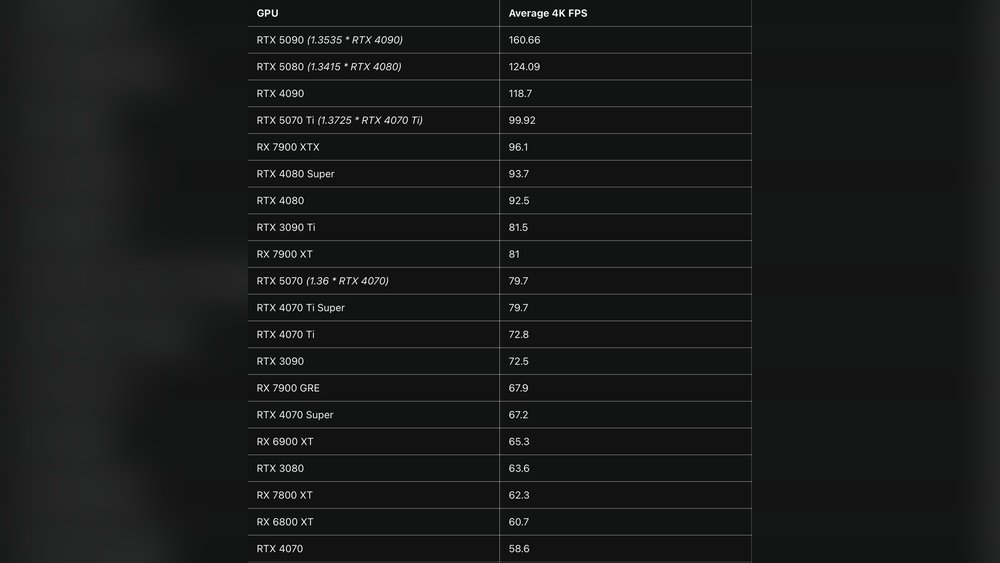
Benchmarks show the RTX 50-Series Mobile delivers higher frame rates. It performs well in modern games at high settings. The raw power jump from the RTX 40-Series is noticeable but varies by title. Some games see a 10-20% performance boost. Others show smaller gains, especially at lower resolutions. Power efficiency also improves, leading to better battery life in laptops. However, benchmarks alone do not capture all user experiences.
Community Opinions
Online forums and social media reveal mixed feelings. Many users praise the smoother gameplay and faster load times. Some find the upgrade worth it for future-proofing. Others feel the RTX 40-Series still handles most tasks well. Several gamers say the difference is subtle without FPS tracking tools. Users also mention the importance of laptop design and cooling, which affect real-world performance. Overall, the community values balance between cost and benefits.
Common Issues
Some users report heating concerns with the RTX 50-Series Mobile. High temperatures can cause thermal throttling in thin laptops. Driver updates occasionally introduce bugs or crashes. Compatibility with older software sometimes lags behind new hardware. A few mention louder fan noise under load. These issues are not universal but worth considering. Proper laptop ventilation and timely software updates help reduce problems.

Credit: www.reddit.com

Credit: www.reddit.com
How The Laptop Scout Can Help You with Nvidia Rtx 50-Series Mobile Vs Rtx 40-Series: Is the Jump Worth It?
Learning from the RTX 50-Series vs RTX 40-Series Debate
When deciding whether to upgrade from the Nvidia RTX 40-Series to the 50-Series mobile GPUs, it’s helpful to look beyond raw specs and consider real-world factors like power efficiency, thermals, and gaming experience. From my experience at The Laptop Scout, focusing on these elements often reveals whether the performance boost justifies the price and potential trade-offs in portability or battery life.
For students or young professionals juggling work and play, understanding how these GPUs affect laptop design and battery longevity can guide smarter choices. I encourage you to compare detailed user feedback and real-world tests, which often highlight nuances that marketing glosses over.
- Check how improved thermals impact sustained performance
- Consider if the price premium aligns with your budget and use case
- Balance future-proofing needs with current lifestyle demands
If you want to dive deeper or have specific questions, feel free to reach out to us at contact@thelaptopscout.com. We’re here to help you cut through the noise and make informed decisions without any hype.
Frequently Asked Questions
Will The 50 Series Be Better Than The 40 Series?
The 50 series offers improved performance and efficiency over the 40 series. Expect better ray tracing and higher frame rates. However, gains may be subtle in some games. Enhanced VRAM and architecture upgrades boost gaming and creative tasks. Overall, the 50 series delivers a noticeable upgrade.
Will The Rtx 40 Series Price Drop After The 50 Series Release?
RTX 40 Series prices often drop after the 50 Series release as retailers clear inventory. Expect moderate discounts initially.
Why Are 40 Series Cards More Expensive Than 50?
40 series cards cost more due to advanced architecture, higher VRAM, and better performance in demanding tasks. 50 series targets budget users with improved efficiency but fewer premium features.
Will The Nvidia 50 Series Be Worth It?
The NVIDIA 50 series offers improved performance and extra VRAM for smoother graphics. It suits gamers and creators seeking upgrades.
Conclusion
Choosing between Nvidia RTX 50-Series and 40-Series mobile GPUs depends on needs. The 50-Series offers modest speed and efficiency improvements. Yet, the 40-Series still handles most games and tasks well. Consider your budget and how much boost matters to you.
For casual users, the 40-Series remains a solid choice. Gamers wanting the latest tech might prefer the 50-Series. Ultimately, both provide strong performance for mobile use. Think about what fits your use and wallet best. The jump might be worth it, but only if you truly need extra power.