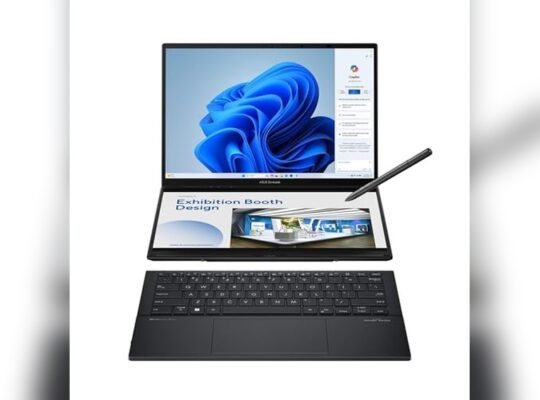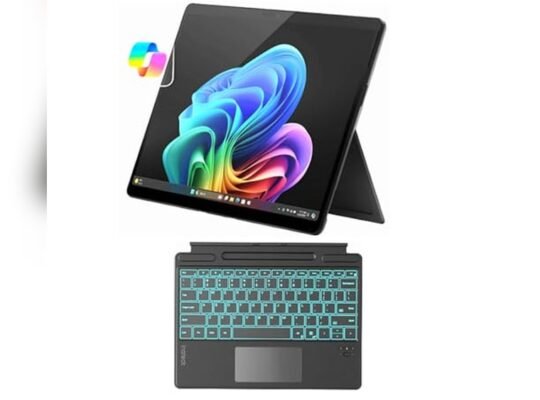


When it comes to choosing the perfect laptop display, you want nothing less than stunning visuals, vibrant colors, and lasting performance. But with the rise of new technologies, deciding between standard OLED and the innovative Tandem OLED screens can feel overwhelming.
Which one truly delivers the best brightness, color clarity, and durability for your eyes and your work? In this visual showdown of OLED vs Tandem OLED laptop displays for 2026, you’ll discover how these cutting-edge screens stack up side by side.
By the end, you’ll know exactly which display will elevate your laptop experience—whether you’re working in bright rooms, gaming, or streaming your favorite shows. Ready to see which display technology deserves your attention? Let’s dive in.

Credit: www.smarthomesounds.co.uk
Oled Basics
OLED technology uses organic compounds that emit light when electricity passes through them. This self-lighting ability lets screens show true blacks and vibrant colors. OLED displays have become popular in laptops for their sharp images and thin design.
Understanding how OLEDs work helps to see their strengths and limits. The basic structure is simple but powerful. Yet, it faces challenges that newer designs aim to solve.
Single-layer Structure
Traditional OLED screens have one organic layer that produces light. This layer sits between two electrodes. When power flows, it lights up each pixel individually. This creates deep black levels since pixels can turn off completely.
The single-layer setup keeps displays thin and flexible. It also allows great color accuracy and fast response times. Many laptops use this type of OLED for its clear and vivid images.
Common Limitations
Single-layer OLEDs can suffer from brightness limits. They may not shine as brightly in strong daylight. This can make the screen harder to see outdoors or in bright rooms.
Burn-in is another issue. Static images left too long can leave ghost shadows. Over time, this reduces the display’s lifespan. Power efficiency also drops at high brightness since the single layer works harder.
These limits push manufacturers to explore new OLED designs. Tandem OLEDs stack multiple layers to improve brightness and durability. This helps overcome the key drawbacks of single-layer OLEDs.
Tandem Oled Features
Tandem OLED displays bring new features that improve laptop screens. They stack two light-emitting layers instead of one. This design boosts brightness and makes the screen last longer. Tandem OLEDs also use less power, helping laptops run more efficiently. These benefits make them stand out from traditional OLED displays.
Let’s explore the key Tandem OLED features that change the laptop display game in 2026.
Stacked Light-emitting Layers
Tandem OLED screens have two or more light-emitting layers stacked together. This stacking creates stronger light output. Each layer shares the work, so no single layer wears out quickly. The result is a brighter display that maintains quality over time. This layered approach improves overall screen performance.
Brightness Advantages
Tandem OLED can reach higher brightness levels than standard OLEDs. The extra layers boost light output without causing damage. This means clearer images even in bright rooms. Bright HDR content looks sharper and more vivid. Users get better visibility in various lighting conditions.
Longevity And Burn-in Resistance
Stacking layers reduces stress on individual components. This lowers the risk of burn-in and screen degradation. Burn-in happens when static images damage pixels over time. Tandem OLED screens resist this problem better. They last longer and keep colors stable for years.
Power Efficiency Gains
Tandem OLED displays use lower current for the same brightness. This cuts power consumption and saves battery life. Efficient power use helps laptops run cooler and longer. Users enjoy a bright screen without sacrificing energy. Tandem OLED balances brightness with energy savings well.
Color And Clarity
Color and clarity define the viewing experience on laptop displays. They affect everything from watching videos to reading text. OLED and Tandem OLED screens show distinct strengths in these areas. Understanding their differences helps choose the right display for your needs.
Rgb Tandem Woled Improvements
RGB Tandem WOLED displays stack two light-emitting layers. This design boosts brightness without sacrificing color accuracy. The absence of a white subpixel allows for purer reds, greens, and blues. This change creates richer, more vivid colors than traditional WOLED panels. The result is a display that shines in bright environments.
Text Clarity Enhancements
Text appears sharper on RGB Tandem WOLED screens. The vertical RGB stripe layout reduces color fringing around letters. Readers notice less blur and ghosting on small fonts. This clarity eases eye strain during long work sessions. Clear text is crucial for productivity and comfort.
Color Volume Comparison
Tandem OLEDs deliver a wider color volume than standard OLEDs. They cover more shades, especially in bright scenes. This means more natural and lifelike images. Colors stay vibrant even at high brightness levels. Traditional OLEDs can struggle to maintain color richness at full brightness.

Credit: www.techpowerup.com
Tandem Oled Vs Standard Oled
Tandem OLED and standard OLED displays differ mainly in their structure and performance. Standard OLED uses a single light-emitting layer. Tandem OLED stacks two or more layers to improve brightness and durability. This design helps Tandem OLED overcome some limits of standard OLED screens. The differences affect brightness, lifespan, energy use, and image quality. Understanding these factors helps in choosing the right laptop display for your needs.
Brightness Performance
Tandem OLED displays can reach higher brightness levels than standard OLEDs. The stacked layers share the light emission, reducing stress on each layer. This allows Tandem OLED to maintain brightness in bright environments. Standard OLEDs often dim to protect the single layer from damage. Tandem OLEDs handle full-screen HDR content better. They deliver vivid images even under strong lighting.
Durability And Lifespan
Tandem OLED has a longer lifespan than standard OLED. The two-layer design spreads the workload, lowering wear on each layer. This reduces the risk of burn-in, a common OLED issue. Standard OLED screens may show image retention after prolonged use. Tandem OLED’s improved durability makes it more reliable for heavy use. This increases the value of laptops with Tandem OLED displays.
Energy Consumption
Tandem OLED displays use power more efficiently than standard OLEDs. Because the layers share the current, each operates at lower power. This results in less energy use for the same brightness. Standard OLEDs require higher current to achieve similar brightness. Tandem OLED’s lower power draw helps extend laptop battery life. Energy efficiency is crucial for mobile devices like laptops.
Visual Quality Differences
Tandem OLED offers enhanced color volume compared to standard OLED. Newer RGB Tandem displays deliver richer and more natural colors. They reduce color fringing and improve text clarity. Standard OLEDs can struggle with color accuracy in bright scenes. Tandem OLED also maintains better uniformity across the screen. This leads to a sharper, more vibrant viewing experience.
Tandem Oled Vs Qd-oled
The debate between Tandem OLED and QD-OLED laptop displays heats up in 2026. Both technologies aim to deliver stunning visuals but use different methods. Tandem OLED stacks two light-emitting layers to boost brightness and reduce burn-in. QD-OLED combines quantum dots with OLED for vivid colors and deep blacks. Understanding their strengths helps pick the right screen for your needs.
Brightness In Various Lighting
Tandem OLED screens shine in bright environments. They reach higher sustained brightness without dimming. This makes them great for daylight or well-lit rooms. QD-OLED offers good brightness but can struggle in very bright spaces. It performs best in dim or dark settings where peak brightness is less critical.
Color And Uniformity
QD-OLED delivers excellent color volume and uniformity. Its quantum dots produce vibrant and pure colors. Colors appear rich and natural across the screen. Tandem OLED is catching up with newer RGB designs. It offers strong color accuracy and less color fringing, especially for text clarity. Both displays provide immersive color experiences but differ slightly in tone.
Ideal Usage Scenarios
Tandem OLED suits users in bright rooms and those needing long-lasting displays. It handles full-screen HDR content well with less risk of burn-in. QD-OLED fits well in darker environments like media editing or gaming rooms. It excels at deep blacks and vivid color contrasts. Choose based on your typical lighting and content use for best results.
Use Cases And Environments
Choosing between OLED and Tandem OLED displays depends on where and how you use your laptop. Each technology performs differently under various lighting and content conditions. Understanding these differences helps you pick the best display for your needs.
Bright environments, dark settings, and gaming with high dynamic range content all demand unique display qualities. Let’s explore how OLED and Tandem OLED screens handle these scenarios.
Bright Room Performance
Tandem OLED screens shine in bright rooms. They use two stacked light layers to boost brightness. This means they stay clear and vivid even under strong sunlight or bright indoor lights.
Standard OLEDs often dim or lose vibrancy in such conditions. Tandem OLED’s higher brightness helps reduce glare and reflections. This makes text easy to read and images sharp without straining your eyes.
Dark Room Advantages
Standard OLED displays excel in dark rooms. Their perfect blacks and deep contrast create immersive visuals. They turn off pixels completely to show true black, enhancing shadow details and color depth.
Tandem OLEDs also perform well in dark environments but may not achieve the same level of absolute black as traditional OLEDs. Still, their improved lifespan and reduced burn-in risk offer long-term benefits.
Gaming And Hdr Content
Tandem OLED displays handle gaming and HDR content with ease. Their high brightness and better power efficiency allow vivid highlights and smooth color transitions. This results in more lifelike scenes and less motion blur.
Standard OLEDs provide excellent color accuracy and fast response times, essential for gaming. However, they may struggle with screen brightness during intense HDR scenes, causing dimming effects.
Future Of Oled Displays
The future of OLED displays holds great promise for laptops and other devices. OLED technology continues to evolve rapidly, offering better visuals and efficiency. As manufacturers explore new designs, users can expect brighter screens, richer colors, and longer-lasting panels. This progress will shape how we interact with digital content in the coming years.
Advancements in OLED and tandem OLED technologies will influence market trends and user experiences. Innovations aim to improve durability and reduce power consumption. These improvements make OLED displays more practical for everyday use. The next generation of displays will blend performance with energy savings, enhancing both work and entertainment.
Technological Evolution
OLED displays have moved beyond the traditional single-layer design. Tandem OLED stacks multiple light-emitting layers to boost brightness and lifespan. This layered approach reduces burn-in risks and enhances power efficiency. RGB tandem OLEDs improve color accuracy and text clarity. Such advances help OLED displays perform better in bright environments.
Market Adoption Trends
More laptop makers now include OLED screens in their models. Tandem OLEDs attract attention for their durability and vivid visuals. Consumers seek devices that offer sharp images and longer battery life. As prices drop, OLED laptops become accessible to a wider audience. This growing demand pushes brands to innovate further.
Potential Innovations
Future OLED displays may include flexible or foldable designs. Enhanced color volume and brightness remain key goals. Researchers work on new materials to extend panel lifespan. Integration with AI could optimize screen settings for user comfort. These innovations promise more immersive and personalized viewing experiences.

Credit: www.youtube.com
How The Laptop Scout Can Help You with Oled Vs Tandem Oled Laptop Displays: The Visual Showdown 2026
Learning from the OLED vs Tandem OLED Display Debate
As I’ve explored the visual showdown between OLED and Tandem OLED laptop displays, it becomes clear that understanding their differences goes beyond just specs. From the basics of OLED technology to the enhanced brightness and longevity Tandem OLEDs offer, these insights can guide practical learning and real-world choices.
- Consider how color and clarity affect your daily tasks, especially if you’re a content creator or a student who relies on crisp visuals.
- Reflect on use cases and environments—Tandem OLED’s higher brightness and reduced burn-in risks make it a solid pick for bright workspaces, while standard OLEDs still shine in controlled lighting.
At The Laptop Scout, I focus on cutting through marketing hype to help you grasp not just which display is ‘better,’ but which aligns with your lifestyle, budget, and sustainability values. For those eager to dive deeper or ask specific questions, reaching out via our contact page can be a helpful step toward making an informed decision.
Frequently Asked Questions
Is Tandem Oled Better Than Oled?
Tandem OLED outperforms standard OLED by offering higher brightness, longer lifespan, better power efficiency, and improved color clarity, especially in bright rooms. It reduces burn-in risk and enhances text sharpness, making it a superior choice for mixed lighting environments compared to traditional single-layer OLEDs.
What Monitors Are Expected At Ces 2026?
CES 2026 will showcase next-gen monitors featuring Tandem OLED technology, delivering higher brightness, longer lifespan, and improved color accuracy. Expect advancements in gaming and professional displays with better HDR performance and power efficiency. Brands will highlight ultra-wide, 4K, and AI-enhanced monitors for immersive visual experiences.
What Are The Improvements For Oled In 2026?
OLED improvements in 2026 include higher brightness, longer lifespan with less burn-in risk, better power efficiency, enhanced color volume, and clearer text clarity. Tandem OLED technology stacks multiple layers, boosting performance for bright rooms and mixed lighting environments, making OLEDs more durable and vibrant than before.
What Monitors Are Coming Out In 2026?
In 2026, expect advanced monitors featuring Tandem OLED technology, improved brightness, longer lifespan, and better color accuracy. Brands will focus on high HDR performance and power efficiency. Gaming and professional displays will prioritize clearer text and vibrant visuals in various lighting conditions.
Conclusion
Tandem OLED laptops deliver brighter screens and longer-lasting displays. They reduce burn-in risk and save battery power well. Standard OLEDs offer rich colors but may dim in bright rooms. Tandem OLED suits users needing clear text and vivid images. Choosing depends on your lighting and usage needs.
Both display types bring strong visuals for 2026 laptops. The choice shapes your viewing experience and device lifespan.